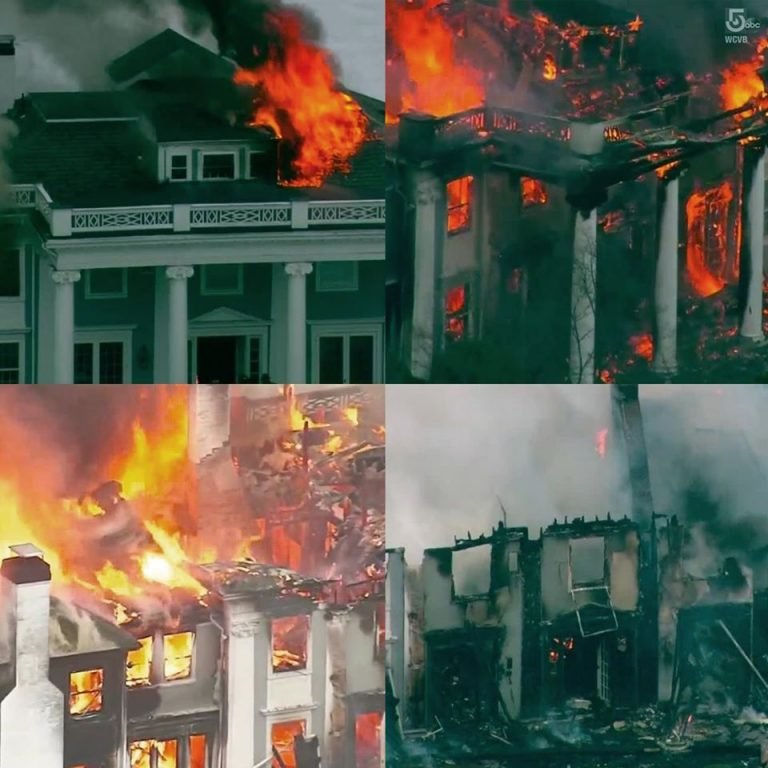
Fire That Destroyed Historic c.1899 Colonial Revival in Concord, MA Started in Chimney: A Devastating Loss to Local Heritage



On a chilly winter morning in Concord, Massachusetts, the community was rocked by the devastating news of a historic fire that engulfed one of its most cherished landmarks: the Colonial Revival home built in 1899. The fire, which tragically started in the chimney, left behind nothing but charred remains, forever altering the landscape of this historic town. For Concord’s residents and preservationists alike, the destruction of this beloved property marked not only a loss of architectural beauty but also a significant piece of local history.
The Colonial Revival Gem
The Colonial Revival style, which emerged in the United States in the late 19th century, was characterized by its nod to America’s colonial past, combining elements of Georgian, Dutch, and Federal architecture. Homes in this style typically feature symmetrical facades, gable roofs, and grand, often columned porticos. The 1899 home in Concord, a stunning example of this architectural movement, stood as a symbol of elegance, craftsmanship, and the community’s deep ties to its past.
Located in a quiet, tree-lined neighborhood, the house was more than just a structure—it was a living piece of history. The property was designed by a well-known local architect who had been commissioned by a prominent Concord family, and it had stood as a testament to the town’s early 20th-century affluence and growth. With its stately columns, large windows, and meticulously preserved detailing, the house had long been regarded as one of Concord’s architectural treasures.
Over the years, the house had become a focal point for historians, architecture enthusiasts, and visitors to the area, drawn by its exceptional design and its reflection of Concord’s rich heritage. The property had passed through several hands over the decades but always maintained its historical charm and its place in the community’s memory. For those who lived in and around Concord, the loss of this iconic home was not just the destruction of a building—it was the loss of a vital connection to the town’s historical narrative.
The Fateful Morning





On the morning of the fire, local residents were greeted with the sight of thick plumes of smoke billowing from the house’s chimney, visible from several blocks away. Firefighters were quickly called to the scene, arriving to find the flames spreading through the attic and upper floors. According to fire officials, the blaze had been ignited by a malfunction or blockage in the chimney, which caused sparks to escape and ignite nearby flammable materials.


Despite the firefighters’ swift response, the fire spread rapidly, fueled by the dry conditions of the winter season. Within minutes, the entire upper floor of the home was engulfed in flames. Firefighters worked tirelessly to contain the blaze, but the combination of the building’s age, the intensity of the fire, and the challenges of the narrow, residential street made it difficult to gain control.
As the flames raged, the historic home’s signature architectural features—its grand columns, elegant trim, and intricate woodwork—were consumed by fire. The structure’s age and the fragile state of some of its materials, which had been worn down by time, exacerbated the situation. Within hours, the house had been reduced to little more than a shell, with parts of the exterior still smoldering and the once-pristine interior now a ruin of ash and debris.

The Cause: Chimney Malfunction
The fire department’s investigation into the cause of the blaze determined that the fire had originated in the chimney. Fire officials speculated that a buildup of creosote, a highly flammable substance that forms in chimneys when wood is burned, could have ignited, sending sparks into the attic. Chimney fires are a well-known hazard for older homes, especially those with chimneys that have not been properly cleaned or maintained. In this case, it appears that the owners had not had the chimney cleaned in several years, which may have contributed to the ignition.
Chimney fires can often start unnoticed, with only small, contained flames at first, making them difficult to detect. As creosote builds up over time, the chimney becomes more susceptible to these hidden fires, which can quickly spread to other parts of the house. In the case of the 1899 Colonial Revival, it seems that the chimney fire was the spark that ignited the dry timbers of the upper floors, leading to the catastrophic blaze.
While chimney fires are preventable with regular maintenance, the challenge of keeping older homes safe from such hazards is particularly difficult. Many historic homes in Concord and other towns across New England rely on original chimneys, which, while charming and historically significant, may not always meet modern safety standards. The fire serves as a painful reminder of the importance of regular maintenance and safety inspections, especially for homeowners of historic properties.
The Impact on Concord and Preservation Efforts
The loss of the 1899 Colonial Revival home has sent shockwaves through the town of Concord, a community known for its deep respect for history and preservation. Concord, often associated with its role in American Revolutionary history and its literary connections to figures like Ralph Waldo Emerson and Henry David Thoreau, has long prided itself on maintaining its historical character.
For many residents, the fire represents more than just the loss of a single house—it symbolizes the vulnerability of the town’s historical heritage in an age where property development often takes precedence over preservation. As new construction projects and modern developments continue to reshape the town’s landscape, the destruction of this Colonial Revival home is a stark reminder of the challenges faced by preservationists and homeowners trying to maintain the town’s architectural identity.
The loss has already sparked renewed conversations about the importance of preserving historic homes in Concord. Local preservationists and historical societies are now rallying to ensure that the remaining landmarks in the area are properly protected, advocating for stricter regulations on maintenance for historic properties and more community engagement in preservation efforts.
Moreover, the fire has highlighted the need for greater awareness around the maintenance of older homes. Preservationists stress that regular upkeep, including chimney cleaning, structural repairs, and fire safety measures, is critical to preventing similar tragedies in the future. Many historic homes, though charming, are not immune to the dangers of age, and ensuring their safety requires a commitment from both homeowners and the broader community.
Looking Forward: Rebuilding or Remembering?
As the smoke clears and the rubble of the Colonial Revival home is cleared away, Concord faces a difficult decision about the future of the site. Some residents and preservationists have suggested that the house should be rebuilt in a manner that honors its original design, while others argue that the town should focus on commemorating the house’s legacy rather than attempting to recreate it.
For now, the site remains a somber reminder of a loss that cannot be undone. However, the spirit of the community endures. Residents of Concord are united in their commitment to preserving the town’s rich historical tapestry, whether through restoring lost homes or finding new ways to celebrate the legacy of structures like the 1899 Colonial Revival.
The fire may have destroyed this particular piece of history, but the collective memory of its architectural beauty and the stories it once held will continue to live on in the hearts of Concord’s residents. The hope is that from the ashes of this tragedy, the community will rise stronger, more committed than ever to safeguarding its heritage for generations to come.
In the end, while the 1899 Colonial Revival may be gone, it will not be forgotten. And in the wake of this heartbreaking loss, Concord will no doubt continue to fight for the preservation of its architectural history—one chimney sweep at a time.
Leave a Reply