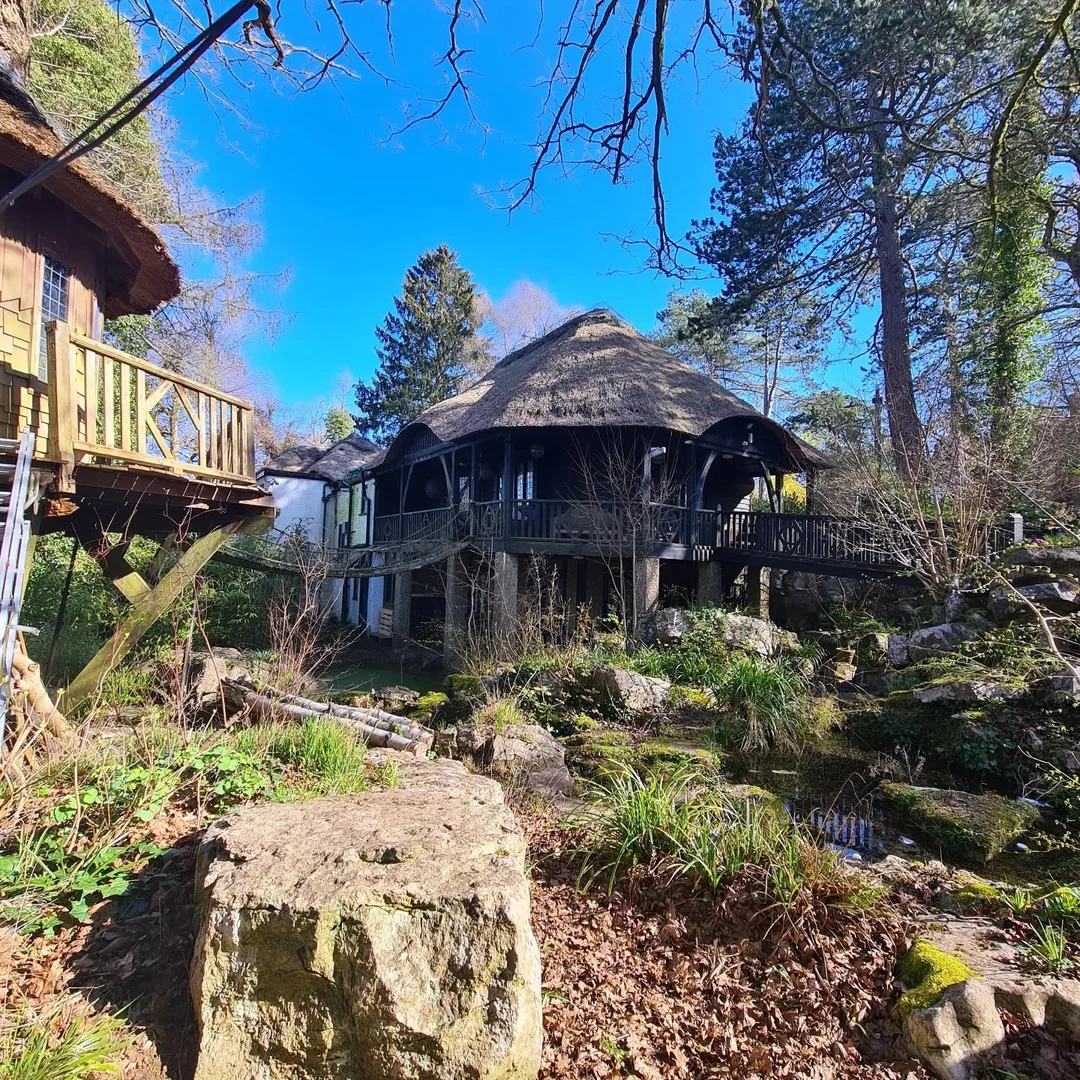
The Arabian Mansion, an iconic symbol of opulence and tradition, stands as a testament to the grandeur and rich cultural heritage of the Arabian Peninsula. Often referred to as the epitome of Middle Eastern architecture, these mansions are distinguished by their breathtaking designs, intricate details, and a seamless blend of ancient influences with modern amenities. Steeped in history and tradition, Arabian mansions are more than just lavish homes; they are cultural treasures that speak volumes about the region’s unique blend of Islamic, Persian, and local influences.
The History and Evolution of Arabian Mansions
The roots of the Arabian Mansion can be traced back to the rise of powerful Arab dynasties such as the Umayyads, Abbasids, and the Fatimids, where rulers sought to establish their dominance through grandiose architectural projects. These early structures were heavily influenced by the Islamic golden age, with rich use of geometric patterns, arches, and a deep appreciation for the decorative arts.
Historically, Arabian mansions were built by the wealthiest and most influential families, often designed to reflect both their social status and the cultural traditions of the region. The use of intricate stonework, wood carvings, and colorful tiles signified the elite’s wealth and position. These mansions were designed not only as private residences but also as symbols of power and wealth, often housing extended families, servants, and various domestic staff in luxurious, sprawling complexes.
The style of the Arabian Mansion has evolved significantly over time. While ancient designs focused heavily on defensive elements, such as high walls, narrow windows, and towering fortifications, today’s mansions prioritize comfort and aesthetics. However, traditional elements such as courtyards, intricately designed arches, and grandiose entrances remain central to their design.

Architectural Features of an Arabian Mansion
An Arabian Mansion is typically characterized by several key architectural features that make it stand out in terms of design, both aesthetically and functionally.
1. Courtyards and Open Spaces:
The central courtyard is perhaps the most distinguishing feature of an Arabian mansion. In traditional designs, these courtyards served as private gathering spaces, often surrounded by lush gardens and fountains. The open-air aspect of the courtyard allowed the occupants to enjoy the warm climate of the region while maintaining privacy from the outside world.
The courtyard was not just a decorative element; it was essential for ensuring proper ventilation and air circulation within the mansion. This feature reflected a deep understanding of the region’s climate and the need to build homes that were both functional and aesthetically pleasing.
2. Intricate Tilework and Decorative Details:
One of the most remarkable aspects of Arabian architecture is the use of tilework. Ceramic tiles with intricate geometric patterns are often used to adorn floors, walls, and ceilings. These tiles, often in vibrant colors such as blue, turquoise, and gold, serve to create a sense of grandeur and reflect the region’s rich cultural heritage. They often depict elements of Islamic calligraphy, floral motifs, and abstract designs, offering a fusion of both beauty and spirituality.

3. Arches and Domes:
The use of arches and domes is another quintessential feature of Arabian mansion architecture. These architectural elements are not only visually striking but are also practical in design. Arches provide structural support while allowing for large open spaces. Domes are often used to create a sense of grandeur and are often found over important rooms such as the entrance hall or prayer rooms.
4. Decorative Woodwork:
Arabian mansions are known for their intricate woodwork, which can be seen in everything from doors and windows to furniture. The wood is often carved into elaborate geometric shapes or floral patterns, and sometimes is inlaid with ivory, mother-of-pearl, or gold leaf. This craftsmanship adds an additional layer of opulence to the mansion, reflecting the owner’s wealth and appreciation for fine arts.
5. Spacious Interiors:
The interiors of an Arabian mansion are often expansive, featuring large, open rooms with high ceilings and grandiose fixtures. These spaces were designed not only for comfort but also to showcase the wealth of the inhabitants. The use of luxurious materials such as marble, precious woods, and fine silks, along with ornate lighting fixtures, ensures that the interior spaces feel both grand and inviting.
Cultural Significance
Arabian mansions are not merely private residences but also reflect the culture and values of the region. The layout and design of these homes often symbolize hospitality, a cornerstone of Arabian culture. In the past, mansions were designed to accommodate large extended families, as well as visitors, reflecting the Arab tradition of welcoming guests with warmth and generosity.
Moreover, these homes often include spaces designated for prayer, emphasizing the importance of religion in daily life. The design of the mansion was, and still is, a means to integrate both personal comfort and spiritual fulfillment.

Modern Adaptations of the Arabian Mansion
While the traditional Arabian mansion still holds great influence in the design of new constructions, modern adaptations have emerged in recent years. Contemporary Arabian mansions combine the age-old principles of traditional architecture with state-of-the-art technologies and modern amenities. Many mansions now feature smart home systems, expansive swimming pools, and luxurious home theaters, while still preserving the aesthetic and cultural influences of their ancestors.
These modern mansions, although luxurious and sophisticated, continue to incorporate the defining elements of the Arabian style, ensuring that they remain an important part of the region’s architectural identity.
Conclusion
The Arabian Mansion is much more than a home; it is a cultural icon. With its intricate design, cultural significance, and historical importance, the Arabian mansion stands as a testament to the artistic achievements of the Middle East. It represents a perfect blend of tradition and modernity, offering a glimpse into the rich cultural heritage of the Arab world. Whether through its grand courtyards, intricate tilework, or ornate interiors, the Arabian mansion remains a powerful symbol of wealth, culture, and history.


Source: Social media: Billyurbex (thanks to Billyurbex for these amazing images shared with us online)
Leave a Reply