A Jewel Reborn: The Ransom Gillis House in Brush Park, Detroit
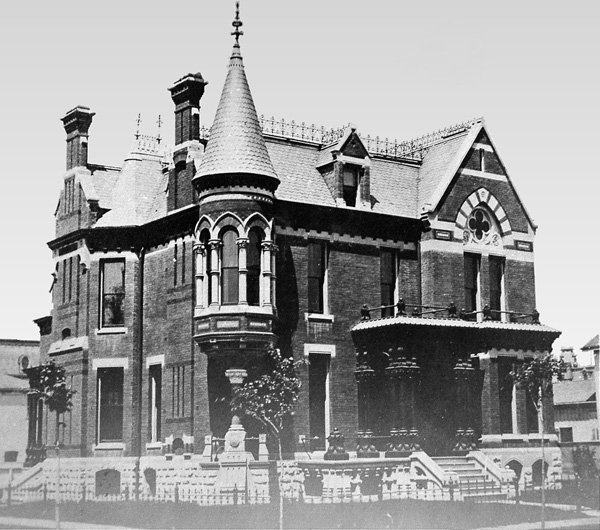
Tucked into the heart of Detroit’s historic Brush Park neighborhood, the Ransom Gillis House stands as a spectacular reminder of a bygone era—a time when Detroit was a city of opulence, innovation, and grandeur. Built between 1876 and 1878, this Venetian Gothic masterpiece is among the most iconic remnants of Victorian-era architecture in the city and a striking example of successful historic preservation in modern Detroit.
A House for a Merchant Prince
The home was commissioned by Ransom Gillis, a wealthy dry goods wholesaler and real estate investor who made his fortune in post-Civil War Detroit. At the time, Brush Park was considered one of the city’s most elite neighborhoods. Known as the “Little Paris of the Midwest,” the area was filled with ornate mansions, many designed by leading architects for Detroit’s elite.
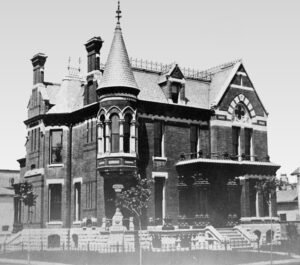
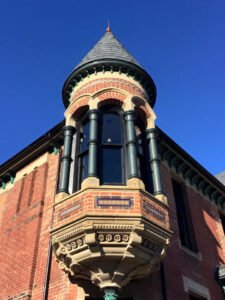
Gillis hired the architectural duo Henry T. Brush and George D. Mason—two prominent Detroit-based architects—to design his residence. This early collaboration between Brush and Mason resulted in a stunning brick structure adorned with elaborate Gothic and Venetian details, including a tall turret, pointed arch windows, and intricate stonework. The house’s signature octagonal tower and arched Venetian windows immediately distinguished it from neighboring homes.

Brush Park’s Rise and Fall
At its peak, Brush Park boasted over 300 residences, with approximately 70 being elaborate Victorian mansions. The area was home to senators, industrialists, and the city’s wealthiest residents. But as Detroit’s fortunes shifted during the 20th century, the neighborhood began to decline. By the mid-1900s, many homes were either abandoned or demolished. The Ransom Gillis House was vacated by the 1960s, falling into a state of serious disrepair over the following decades.
Despite numerous fires, vandalism, and years of exposure to the elements, the house remained a favorite among architectural preservationists and historians due to its rare style and historical pedigree. It stood empty and crumbling—its turret open to the sky, windows boarded, and bricks sagging—until a beacon of restoration emerged in the mid-2010s.
A Modern Revival
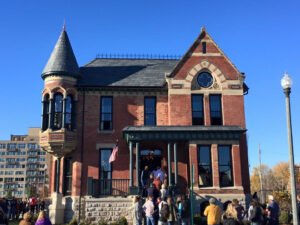
In 2015, the Ransom Gillis House underwent a dramatic and meticulous restoration as part of a special episode of HGTV’s Rehab Addict, led by preservationist Nicole Curtis. Working in collaboration with Detroit-based developers and preservation groups, Curtis helped breathe life back into the structure, carefully restoring original elements while updating the home for 21st-century living.
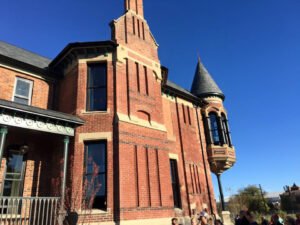
The restoration included rebuilding the interior, re-pointing the brick, replicating historic woodwork, and reviving the home’s famed turret. Great effort was made to respect the original design, even as modern touches were added to make the home livable by today’s standards. The project marked a turning point not just for the house, but also for the entire Brush Park neighborhood, which has since seen a flurry of restoration and redevelopment efforts.
A Symbol of Detroit’s Resilience
Today, the Ransom Gillis House stands as more than just a beautiful home—it is a symbol of Detroit’s ongoing revival. Its preservation highlights the city’s commitment to remembering its past while building a hopeful future. The house, once nearly lost to time, now serves as a case study in what’s possible when passion, vision, and respect for history come together.
Surrounded by both new residential developments and other surviving mansions, the Ransom Gillis House anchors a revitalized Brush Park, reminding Detroiters and visitors alike of the city’s architectural richness and its potential for rebirth.

Leave a Reply