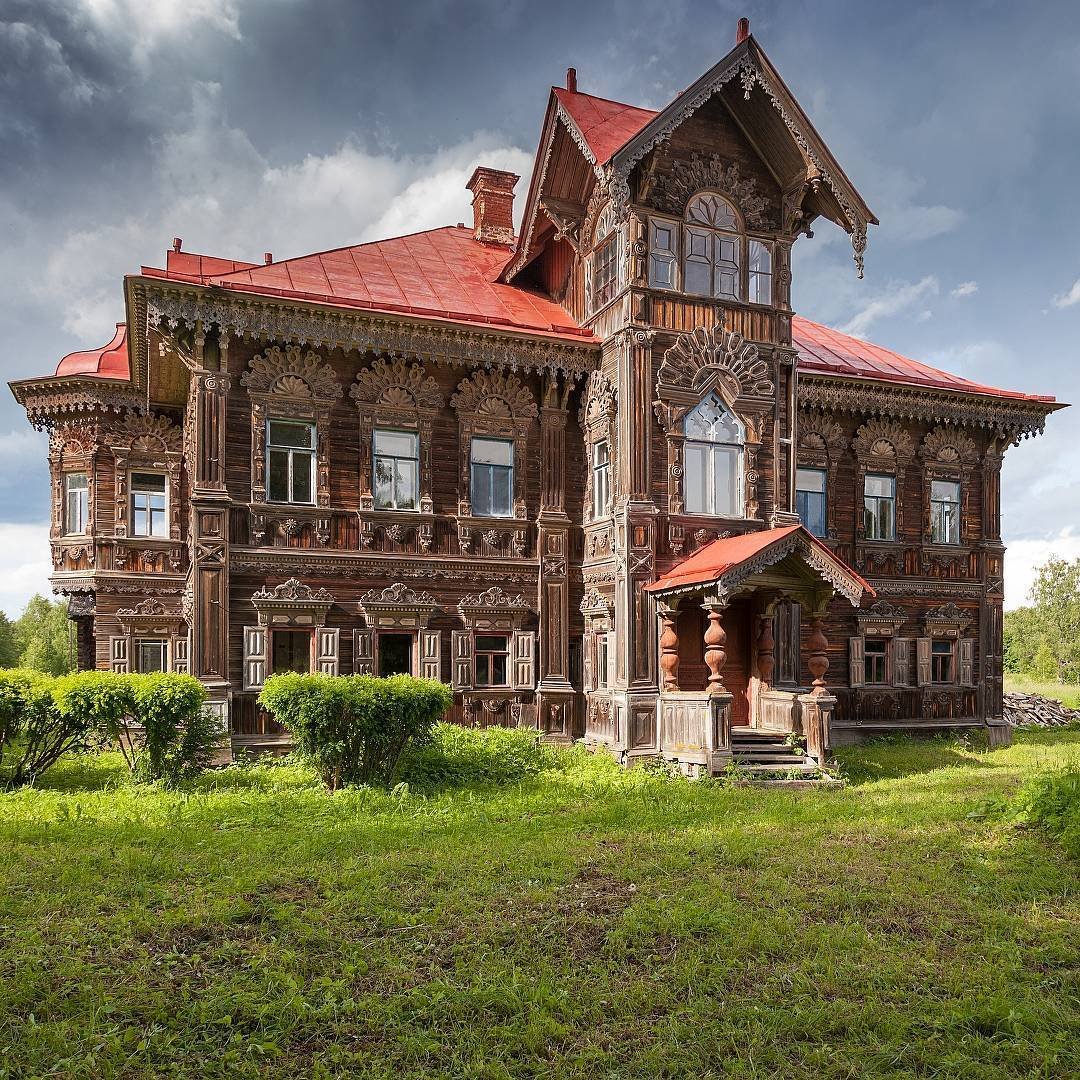
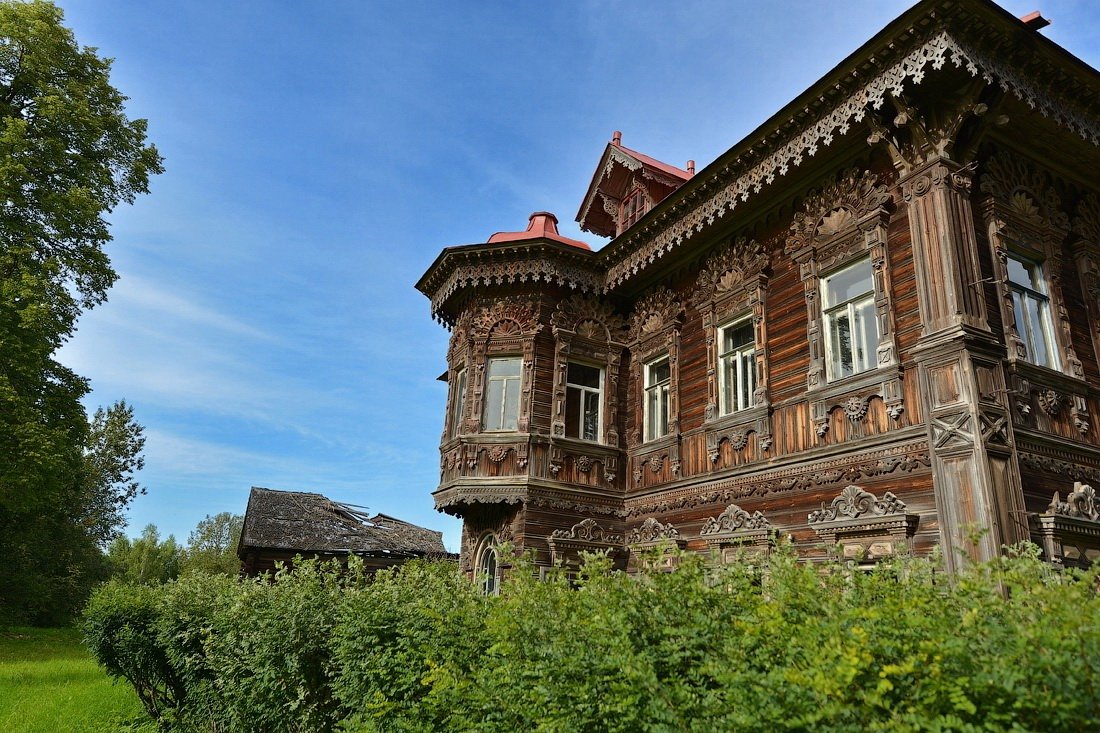
Nestled in the forests of the Kostroma region in Russia, historic wooden manors—known locally as “terema”—stand as rare and enchanting examples of Russian Revival architecture. These structures were built in the late 19th and early 20th centuries by wealthy merchants and returning émigrés who wished to blend traditional Russian craftsmanship with a sense of national pride and romantic nostalgia.
Among the most famous is the Astashovo Terem, located in the remote Chukhlomsky District, near the village of Astashovo. Built around 1897 by Martyan Sazonov, a self-made peasant-turned-entrepreneur, this manor was designed as a lavish residence that merged folkloric elements with the ornate details of Russian fairytale castles.
Its tall towers, carved window frames, wrap-around balconies, and colorful facades make it a striking example of the Russian Revival style popularized by architects like Ivan Ropet.
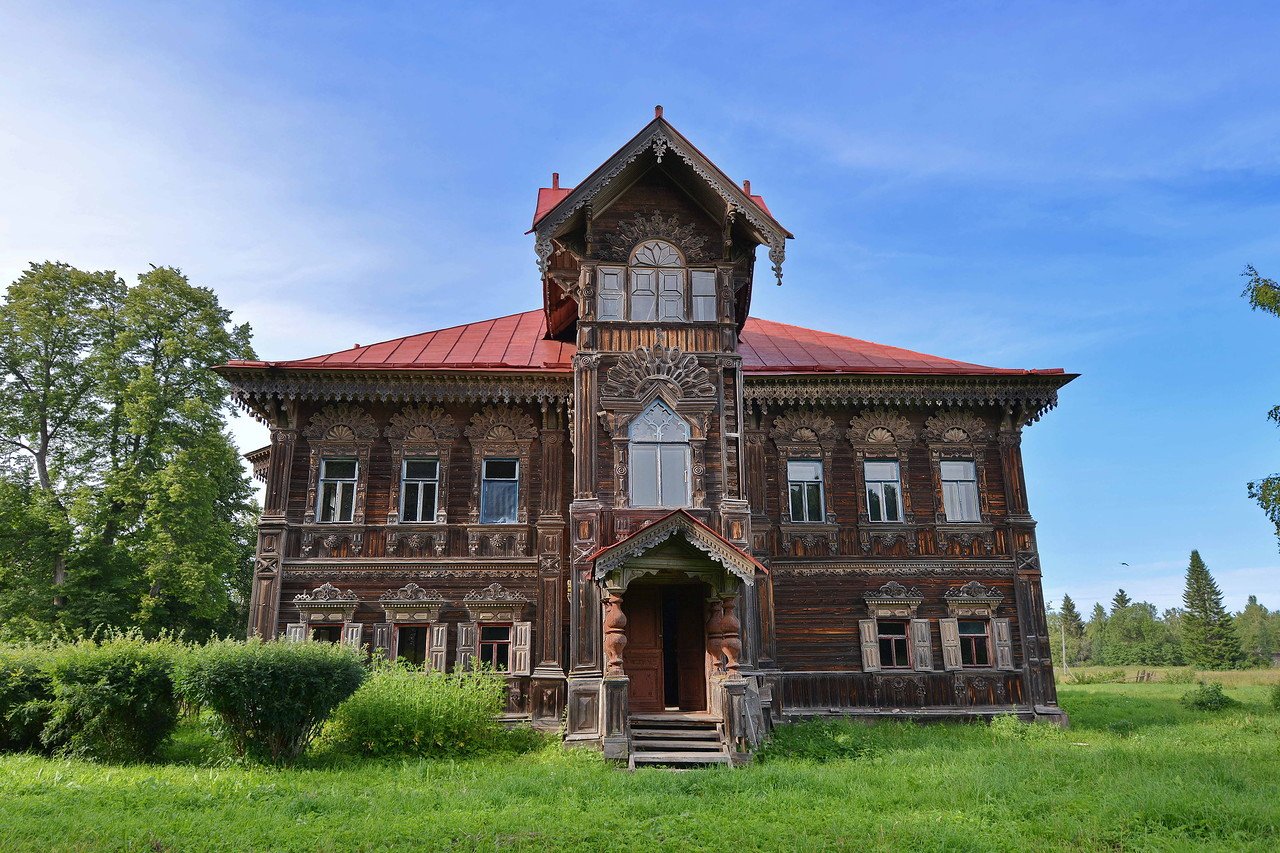
During the Soviet period, the Astashovo Terem was nationalized and repurposed, at times serving as a school, library, and communal gathering space. Over the decades, it fell into disrepair, like many rural estates across Russia.
However, in the 2000s, it was lovingly restored by preservationists and private investors. Today, it operates as a boutique “forest hotel” and museum, allowing visitors not only to experience a unique piece of Russian heritage but also to stay overnight surrounded by carved wooden interiors and forest silence. This revival has turned the manor into a symbol of rural cultural rebirth.
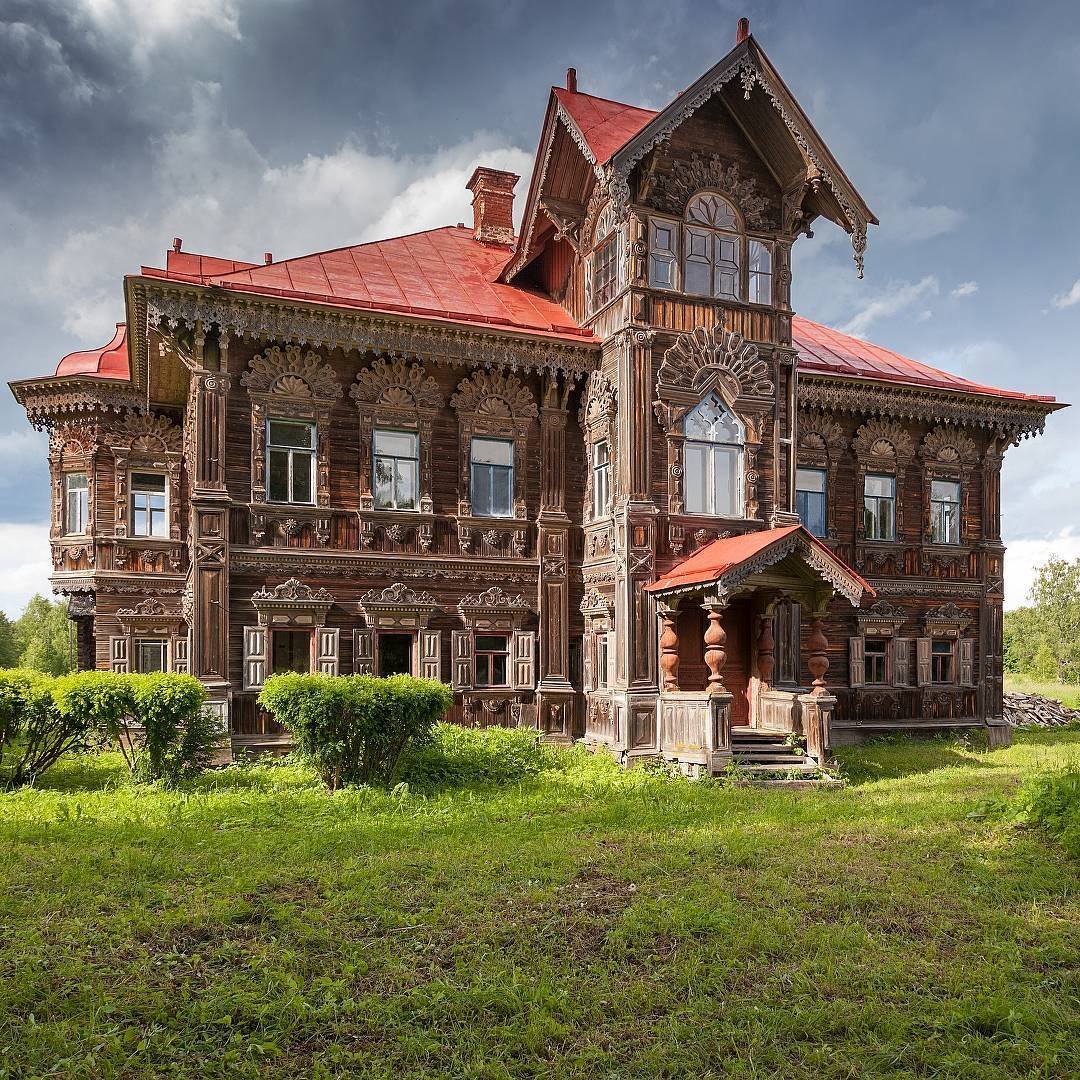
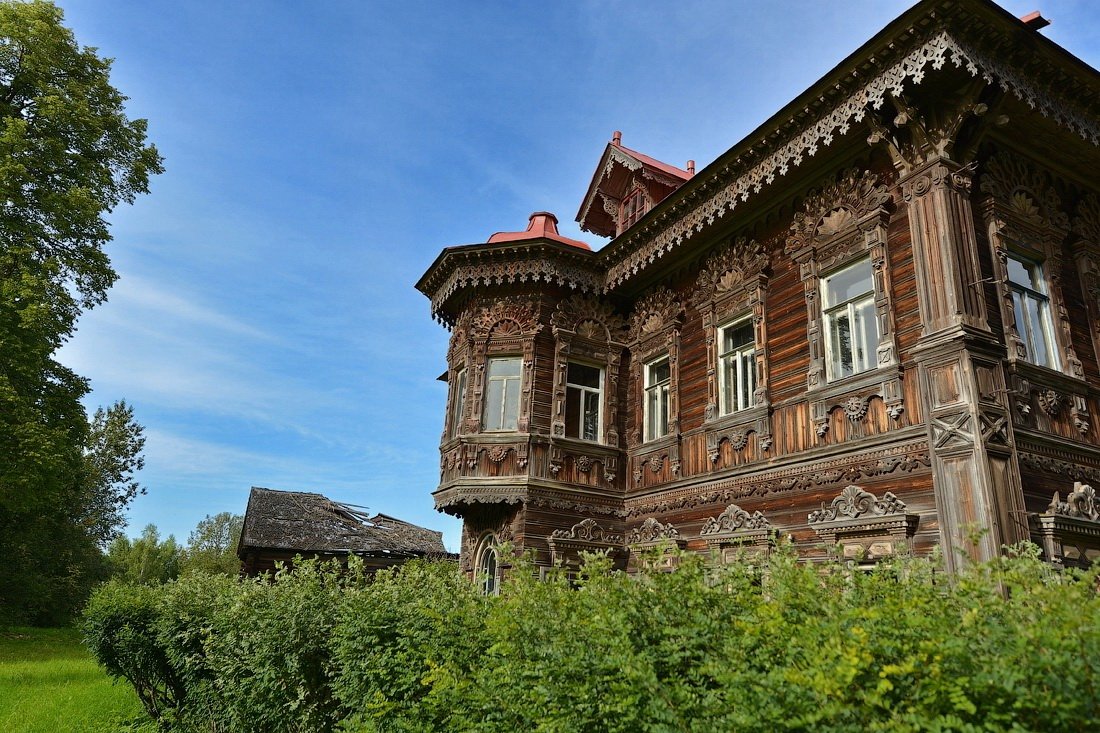
Another notable example is the Wooden Manor in Pogorelovo, built in 1902–1903 by Ivan Polyashov, a contractor who returned to his native village after a successful career in St. Petersburg. Unlike Astashovo, the Pogorelovo manor has not undergone extensive restoration.
However, its preservation in a nearly untouched state makes it equally valuable. Its log construction, ornate eaves, and richly carved gables are characteristic of Northern Russian architecture. The manor’s fading paint, creaking floorboards, and aging interiors evoke a sense of timelessness, offering a raw, authentic view into pre-revolutionary rural life.
In Kostroma city itself, visitors can explore Kostroma Sloboda, an open-air museum showcasing wooden architecture collected from across the region. Here, examples of peasant houses (izbas), churches, windmills, and barns from the 17th to 19th centuries have been preserved and displayed. Among them, the Church of the Merciful Savior from the village of Fominskoe, built in 1712, stands out for its tiered construction and tent-like bell tower. The museum provides an accessible introduction to the architectural traditions that flourished in the countryside.
These manors and structures reflect not only the artistic skill of rural craftsmen but also a bygone era when wood was the principal medium for architecture in Northern Russia. As these buildings are rediscovered and restored, they are becoming key attractions for cultural tourism and preservation efforts, offering a rare opportunity to connect with Russia’s deeply rooted folk traditions and architectural ingenuity.
1. The Terem at Astashovo (Chukhlomsky District)
Builder & Designer: Martyan Sazonov, a self-made entrepreneur from a peasant background, built it in the late 19th century as a lavish gift for his wife, likely based on designs by Ivan Ropet—a leading figure in Russian Revival architecture.
Architecture & Use: This wooden palace features decorative balconies, towers, and ornate wood carvings. After nationalization in 1917, it served as a school, library, and cultural center.
Preservation: It fell into decay during the Soviet era but was restored in the 2000s by private efforts. By 2016, it reopened as Russia’s first “forest hotel‑museum,” offering accommodation and cultural programs .
2. Polyashov’s Wooden Manor at Pogorelovo
Builder & Date: Constructed in 1902–03 by Ivan Polyashov, a St. Petersburg contractor who returned to his native village.
Style & Condition: A two-story log and plank structure with ornate window frames, it has retained much of its original interior décor unequipped through over a century.
Current Status: The village is largely abandoned, but the manor remains as a robust and evocative example of late-imperial wooden architecture .
Wooden Architecture in Kostroma City
If you’d prefer a visit without venturing into remote forests, near the Ipatiev Monastery in Kostroma city:
- Kostroma Sloboda (Old Quarter): A major outdoor museum of wooden architecture showcasing relocated 17th–19th-century churches, izbas, and farm structures from across the region .
- Highlights include the 1712 Church of the Merciful Savior from Fominskoe village—complete with an iconic “kletskaya” tiered design and tent-style bell tower .
Visiting Tips
| Site | Location | Notes |
|---|---|---|
| Astashovo Terem | ~25 km north of Chukhloma, forest locale | A bit remote, but now partially accessible as a hotel‑museum. Best reached by car . |
| Pogorelovo Manor | Pogorelovo village near Chukhloma | Harder to reach, road conditions variable—ideal for adventurers . |
| Kostroma Sloboda | Within Kostroma city, near Ipatiev Monastery | Convenient and rich in examples of wooden architecture . |
Summary
For a standalone historic wooden manor hidden in the forest, go for the Astashovo Terem—a magnificent Ropet-inspired wooden palace turned museum-hotel.
For an equally enchanting but less refurbished example, Pogorelovo’s Polyashov House offers authentic charm.
If you want an easy, varied experience, explore Kostroma Sloboda in the city, where you’ll find superb examples of regional wooden architecture in one location.
Leave a Reply