Embracing Timeless Splendor: A Historic Queen Anne Victorian on Mulberry Avenue
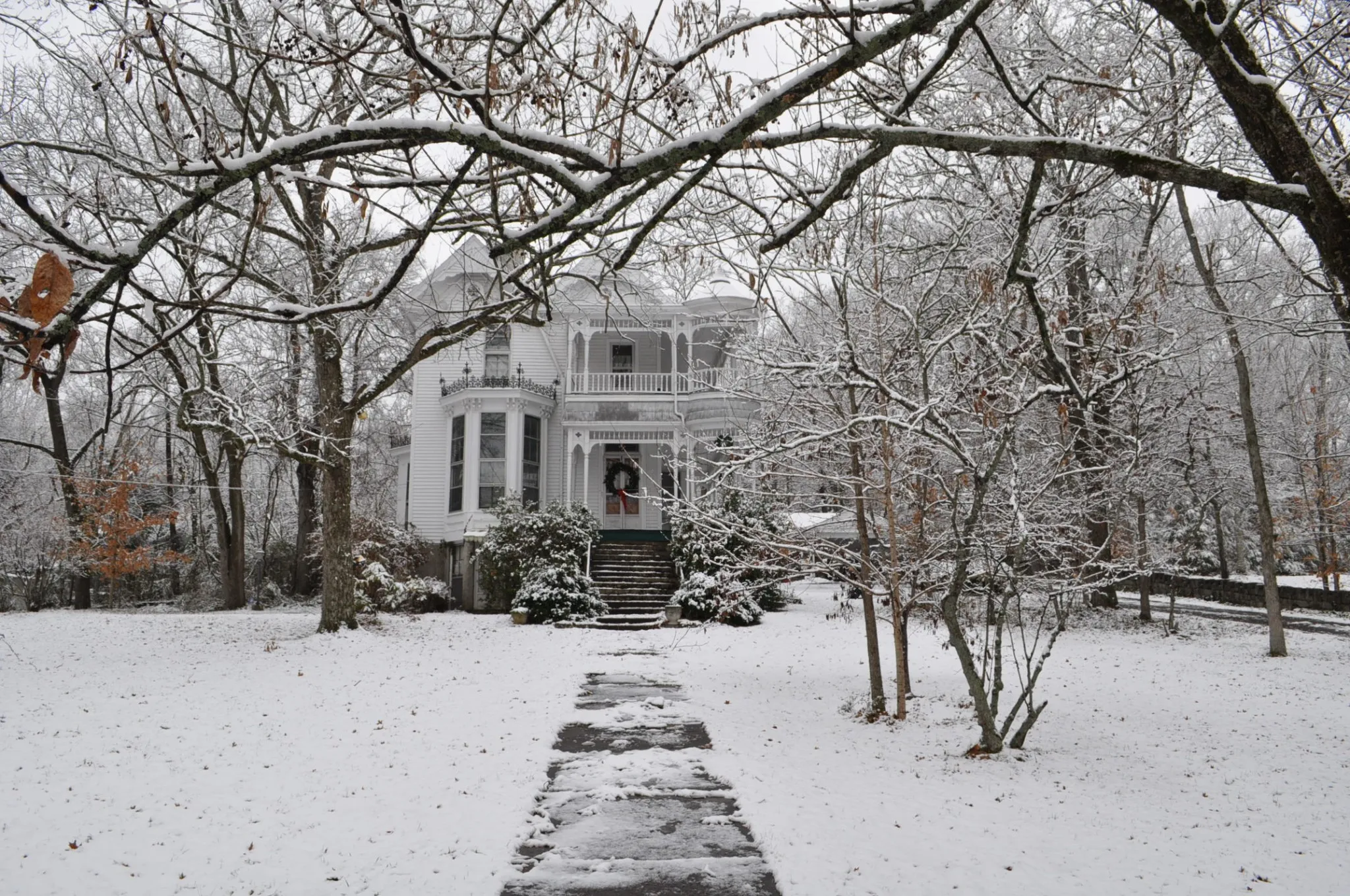
Standing proudly on Mulberry Avenue in Fayetteville, Tennessee, this magnificent late‑1800s Queen Anne Victorian home is more than just a residence—it’s a living monument to Southern history and refined architectural craftsmanship.
With a stately presence that has defined the avenue for over a century and a half, the estate whispers tales of a bygone era while offering boundless opportunity for restoration and modern living.
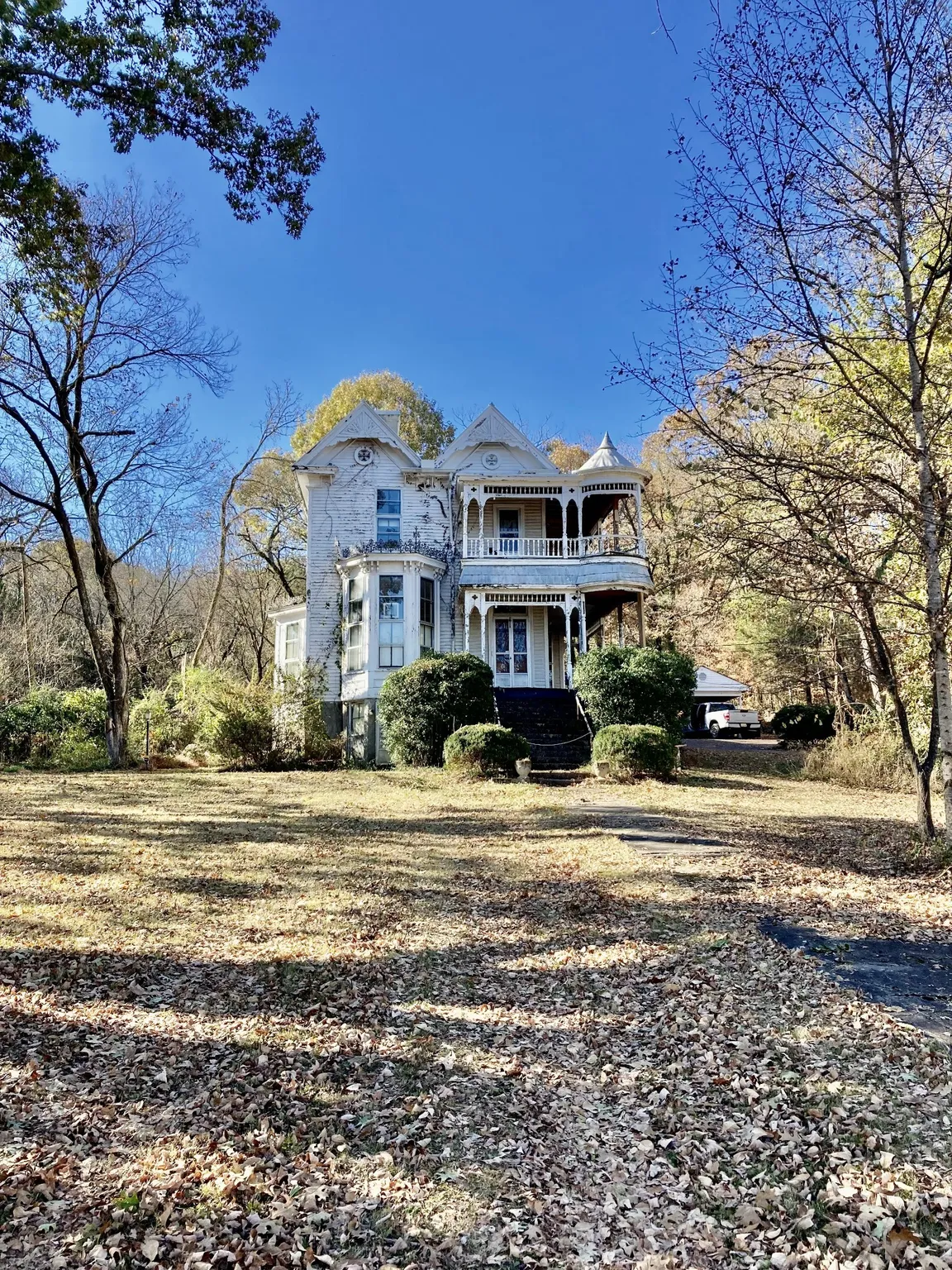
An Address Steeped in Heritage
Located just a leisurely walk from the heart of downtown Fayetteville, this property occupies what’s widely regarded as one of the area’s most prestigious historic corridors: Mulberry Avenue.
This tree‑lined street is celebrated for its captivating collection of period homes, each one preserving the region’s distinguished past.
Positioned among estate‑scale neighbors on multi‑acre lots, this residence harmoniously blends with its surroundings, forming a cohesive architectural tapestry that has endured through generations.
Victorian Grandeur: Architectural Highlights
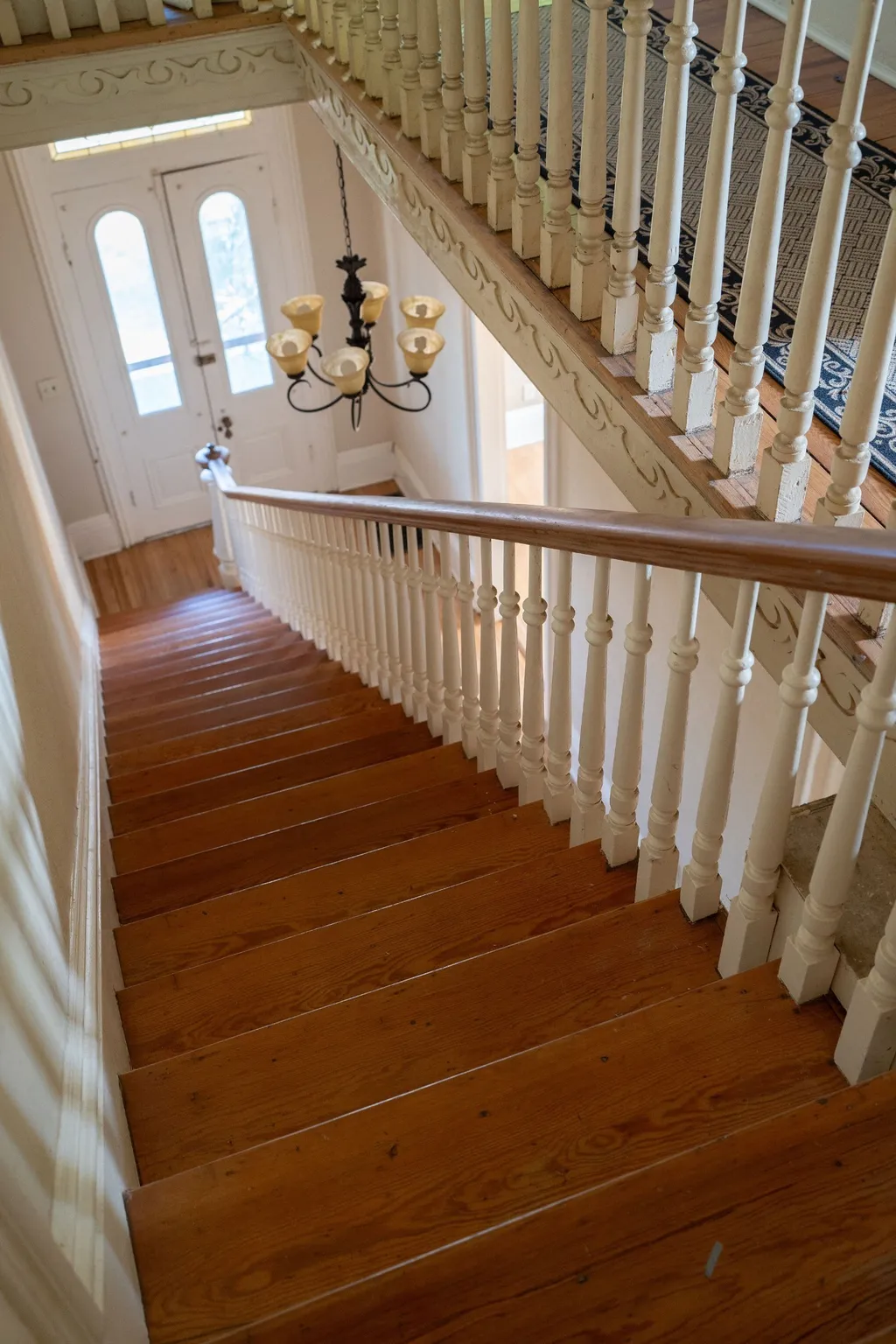
A masterpiece of Queen Anne design, the home radiates classic elegance through its asymmetrical facade, steeply pitched gables, intricate spindle work, and ornate trim.
Generous sash windows, a welcoming wrap‑around porch, and finials atop decorative turrets speak to the craftsmanship of a fading era.
Despite the passage of decades, the structure’s bones remain robust—anchored by enduring integrity and stable proportion.
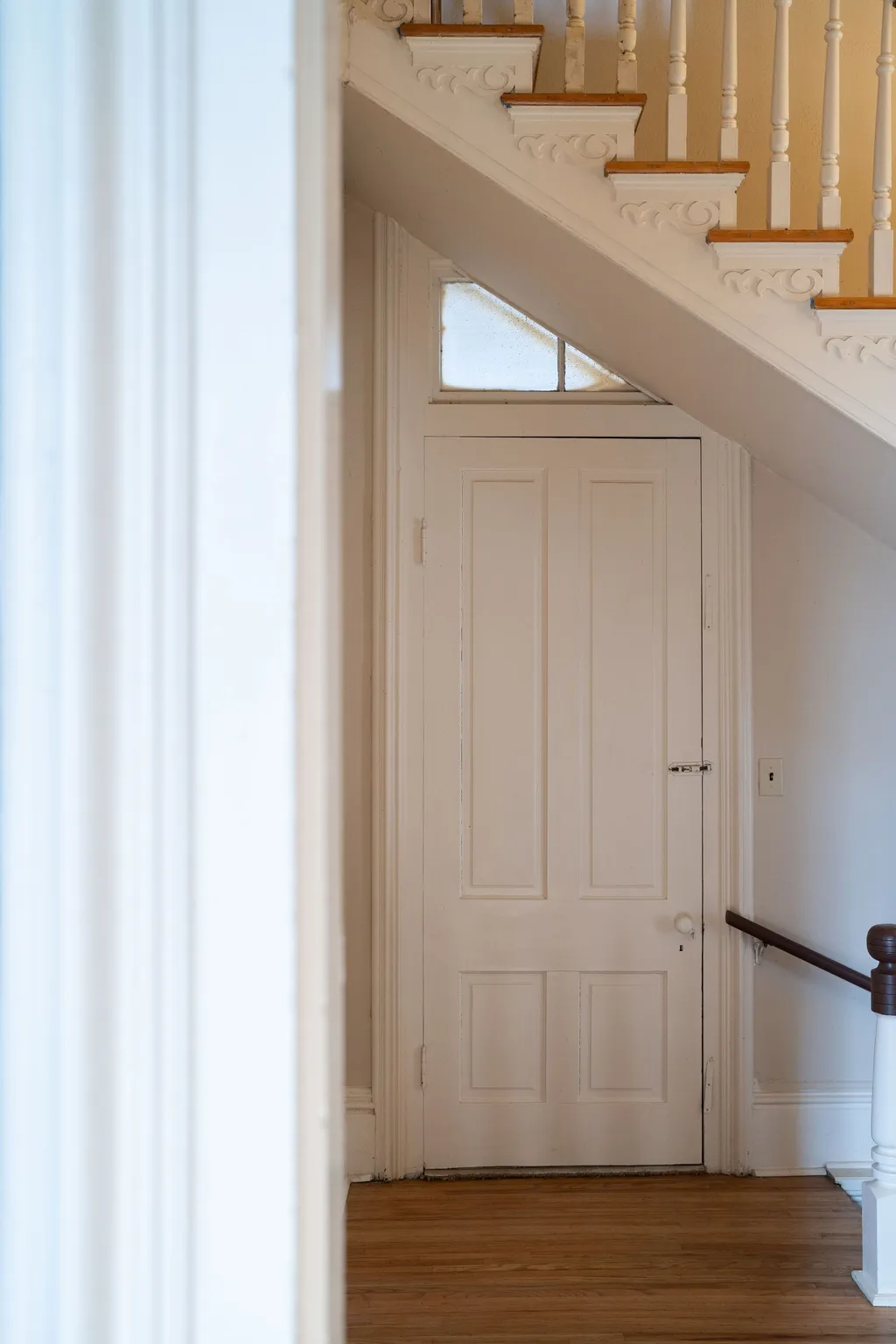
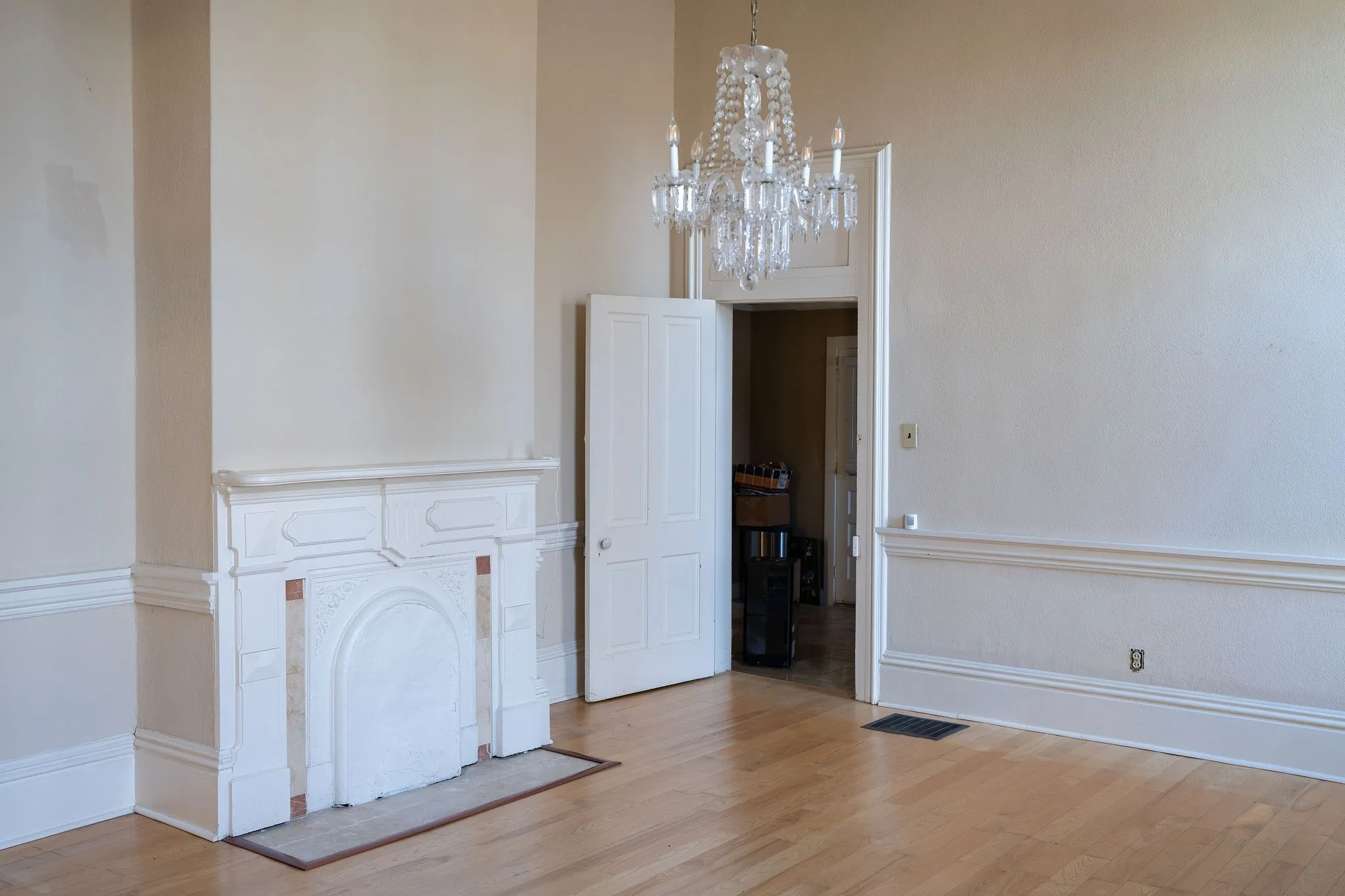
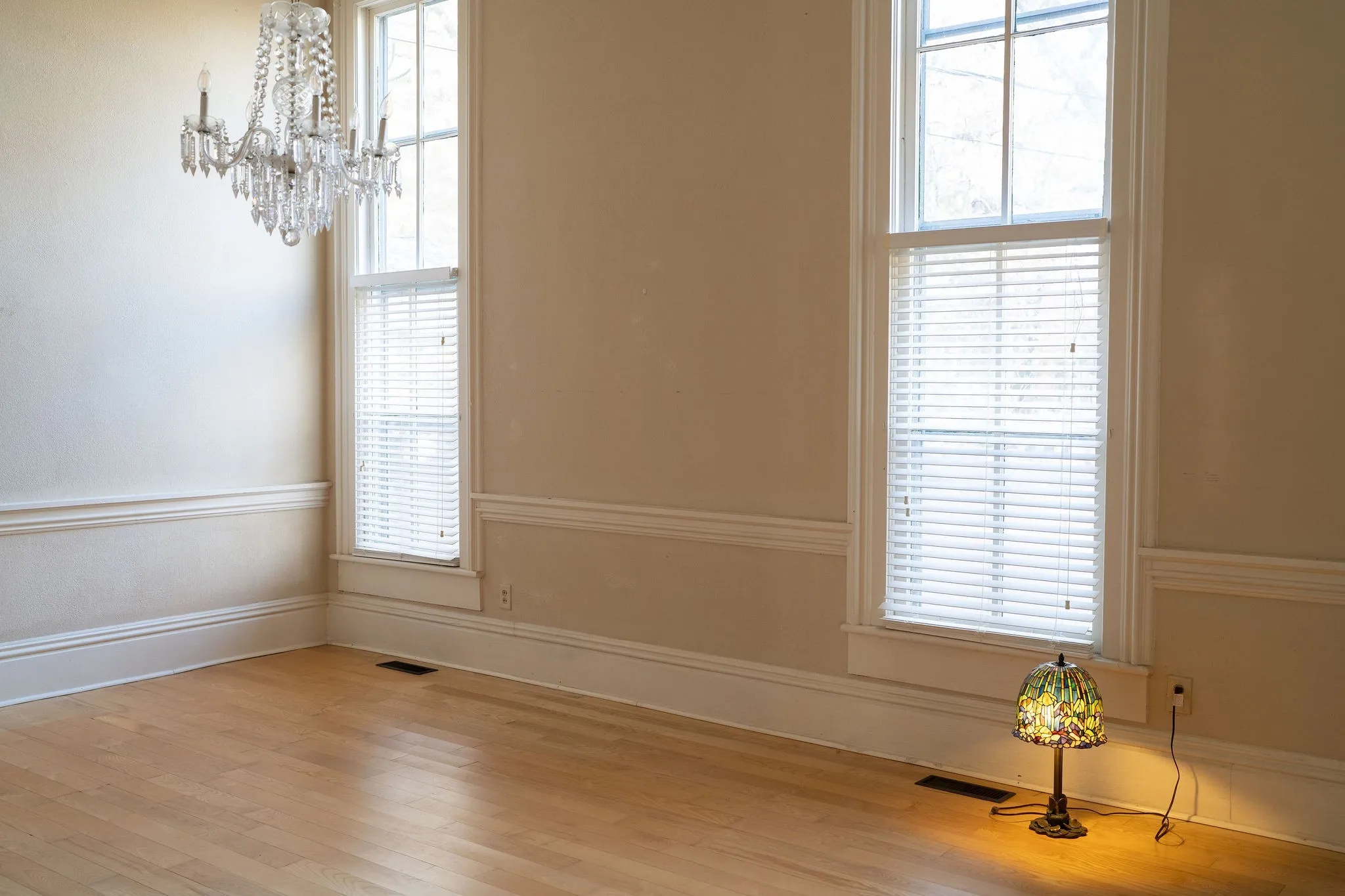
With approximately 3,811 square feet of above‑grade living space and an expansive basement of around 1,272 square feet, the home offers ample room for restoration vision and creative adaptation.
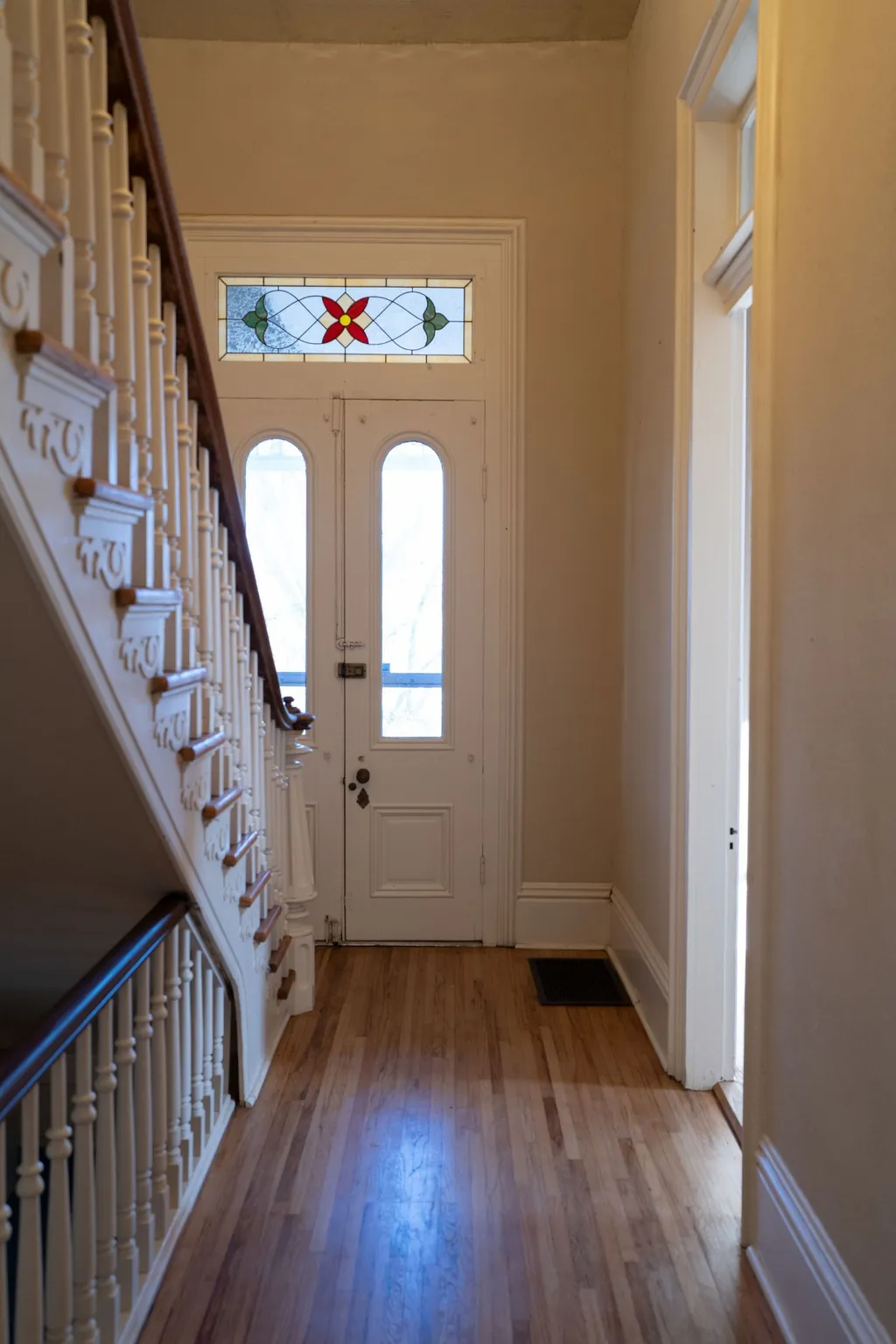
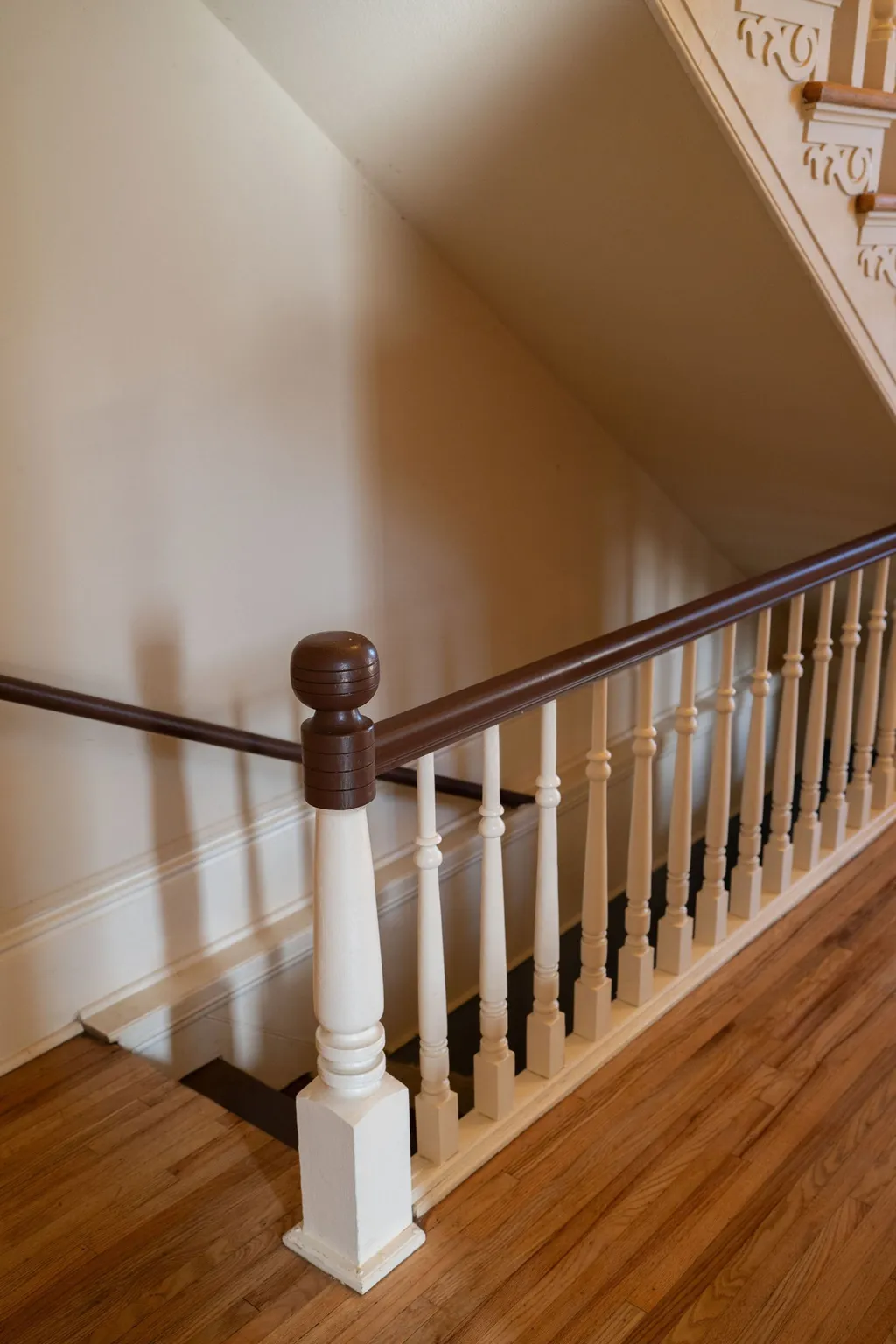
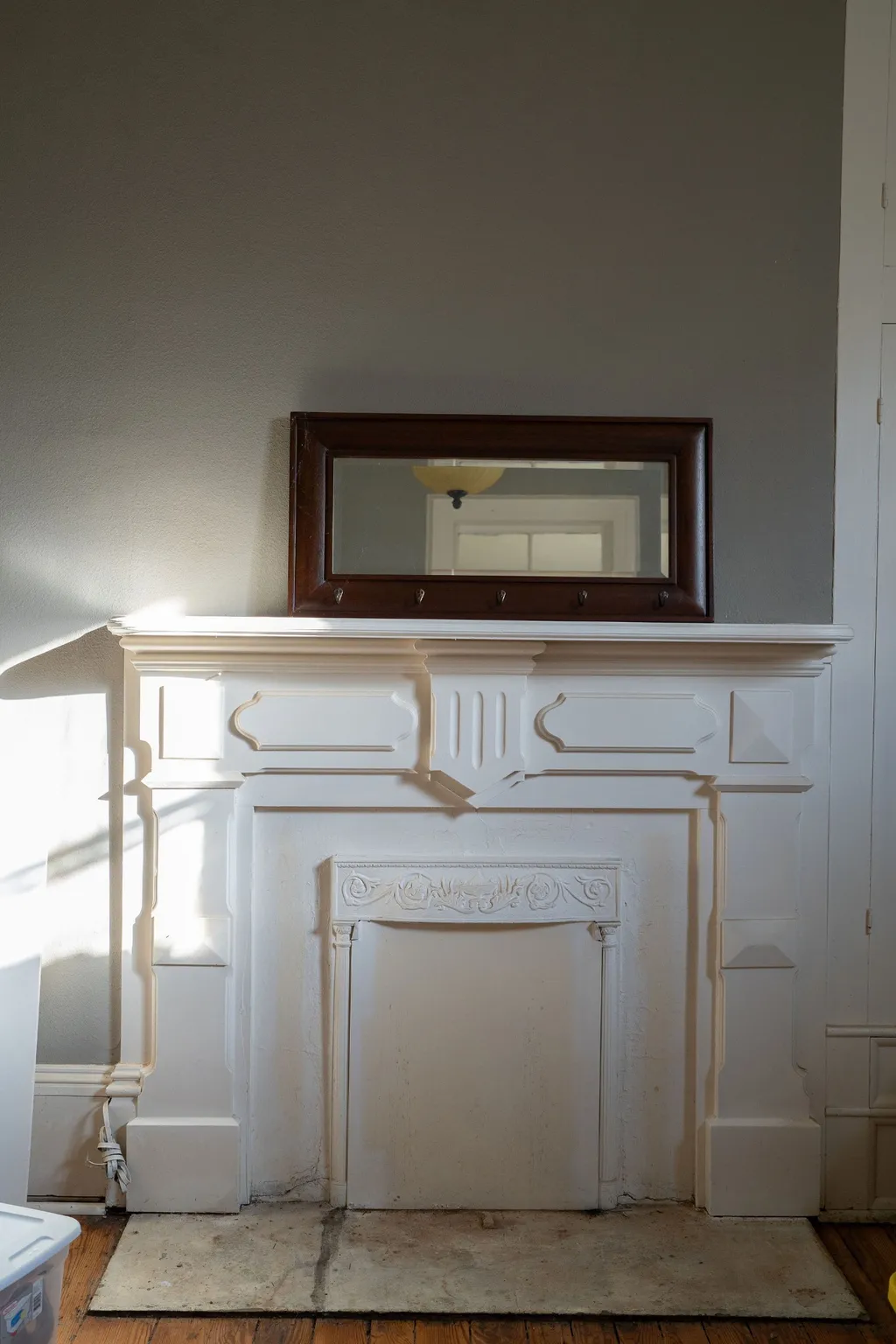
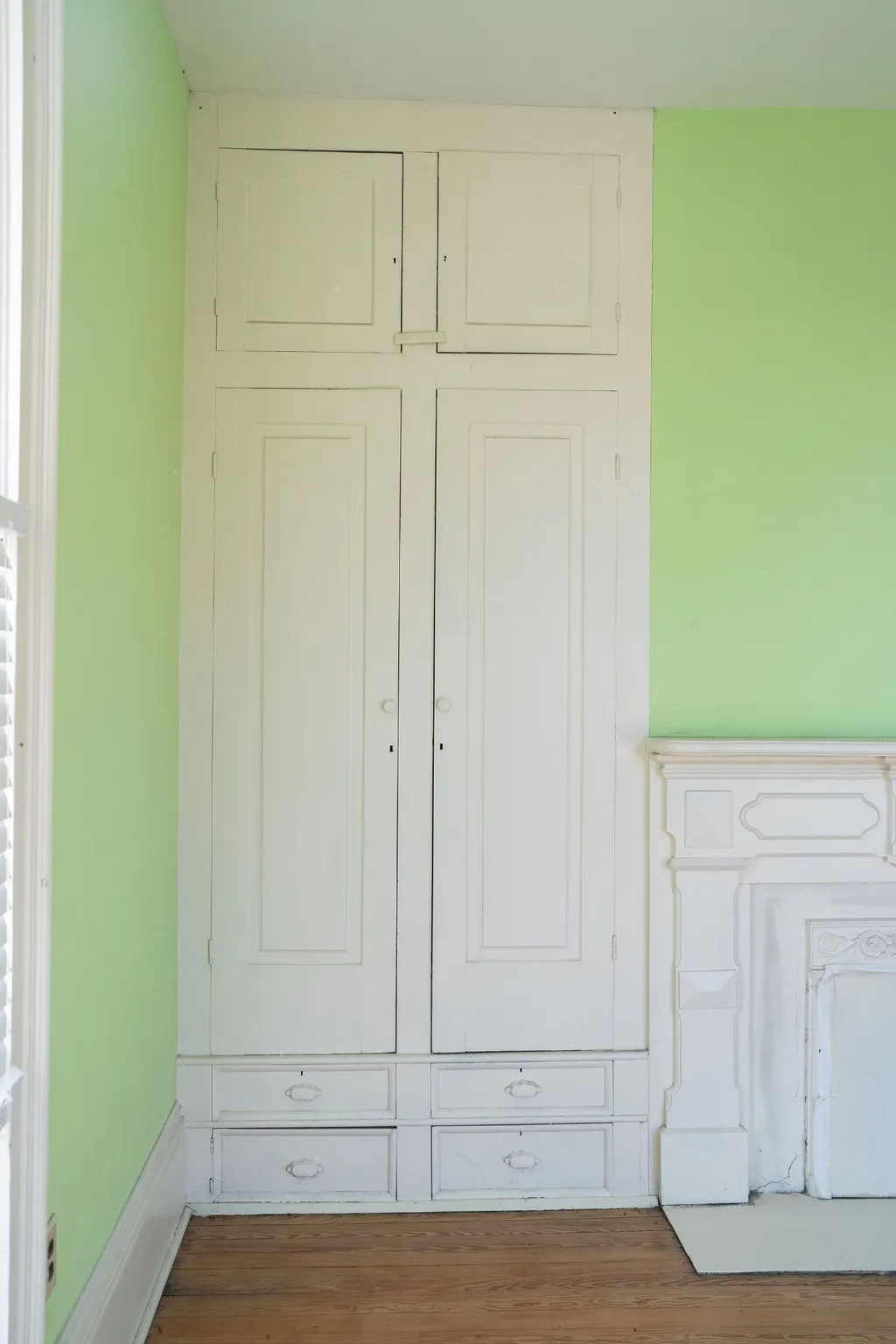
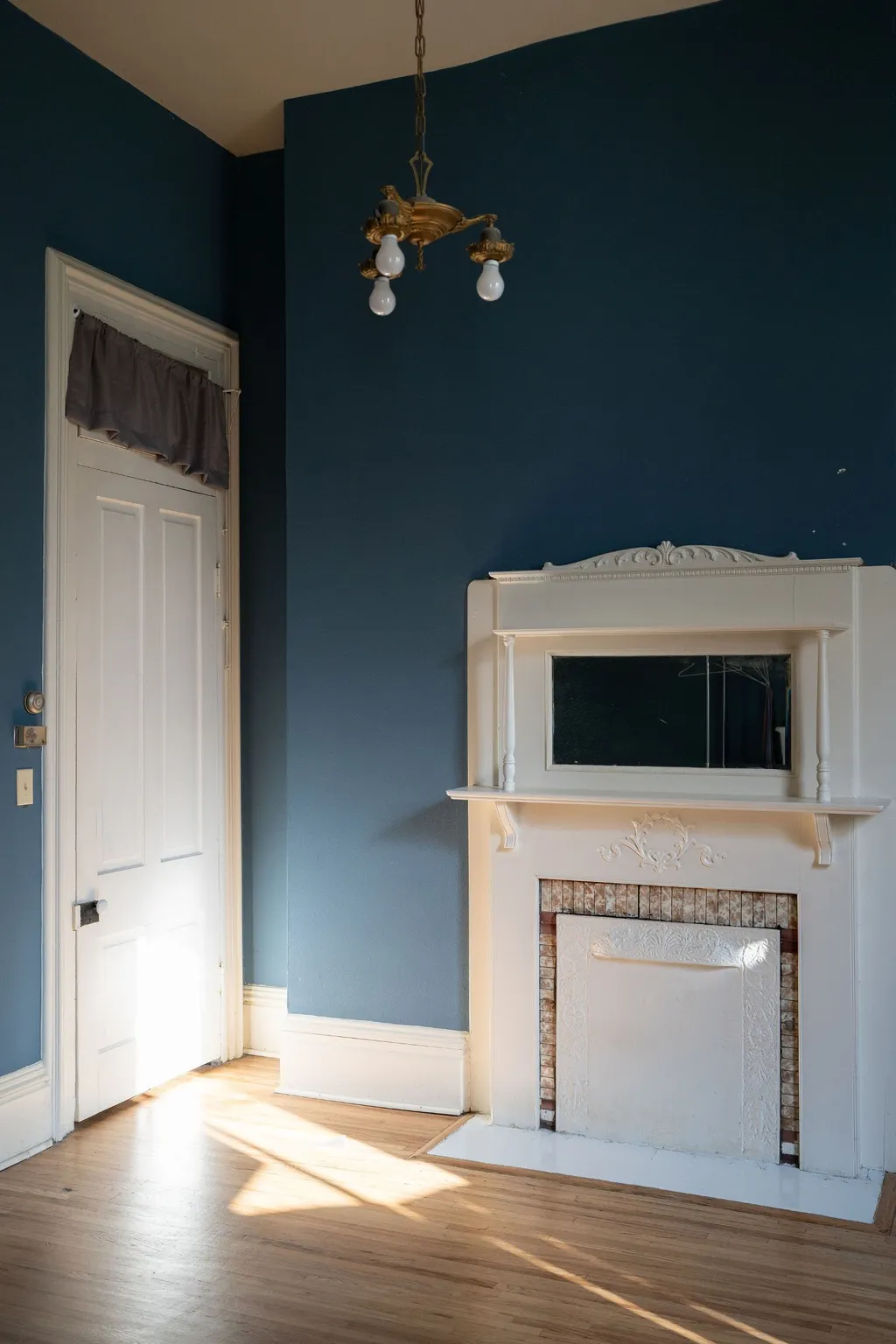
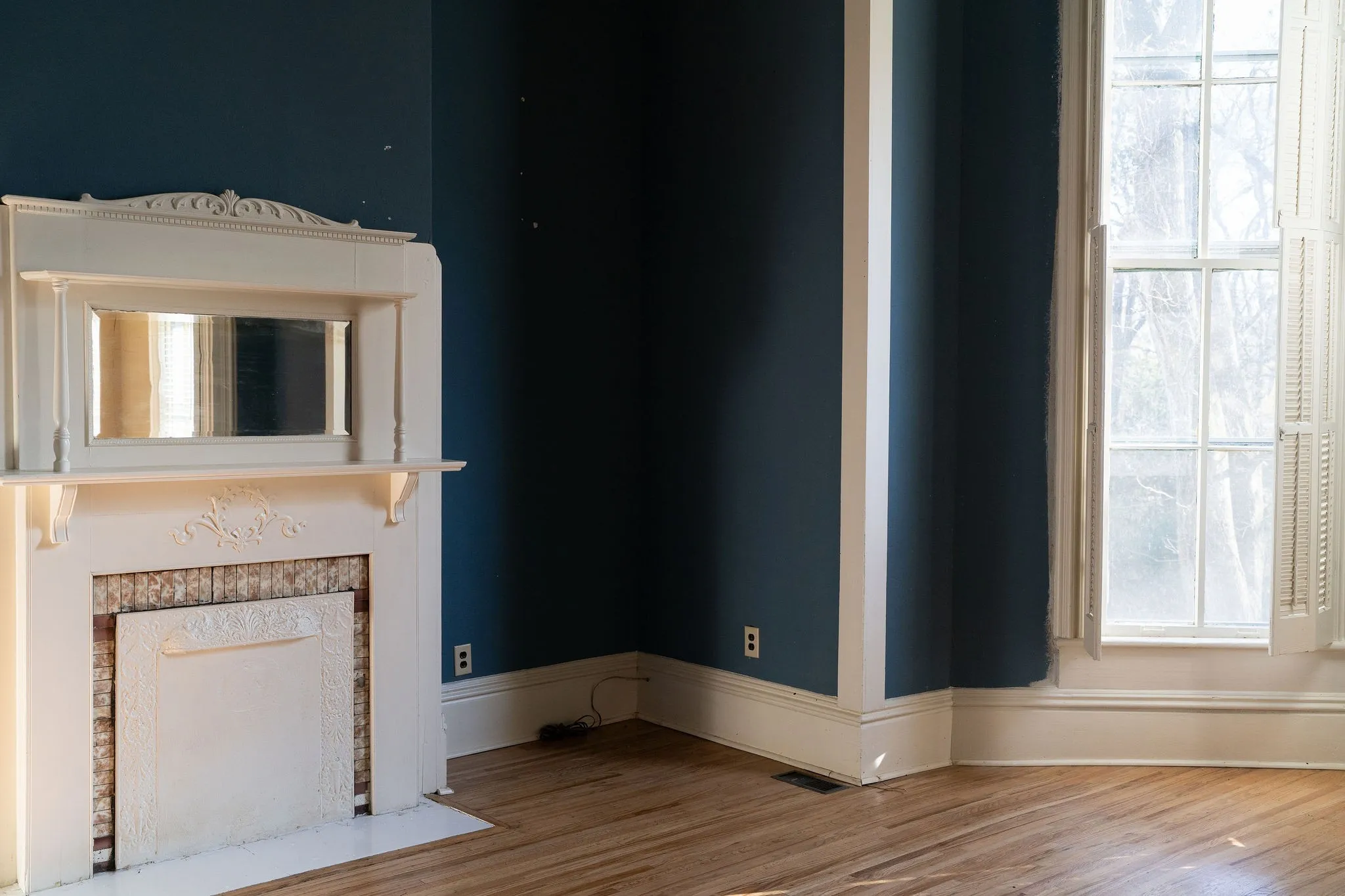
The original moldings, hardwood floors, and fireplaces—while in need of revival—promise to come alive again with careful attention, rekindling the home’s historic charm.
Wandering Through the Grounds
Sitting on an enchanting 2‑acre parcel that wraps around the home, the estate presents a botanical wonderland right in its backyard. Ancient trees—oaks, maples, sycamores, and more—tower over sprawling lawns, bringing shade, majesty, and a sense of permanence. Beneath those arboreal giants, a riotous tapestry of wildflowers spills across the grounds, creating habitat for the local wildlife.
The property is framed on two sides by stately historic homes on sprawling lots, while the rear borders more than 200 acres of untouched private woodlands. This adjacency provides unmatched privacy and reinforces the estate’s secluded, pastoral ambiance despite its proximity to Fayetteville’s downtown.
Winding through the meadow-like spaces and woodline perimeter, one discovers hundreds of feet of stacked stone walls.
Their weathered surfaces, over time softened by moss and lichens, evoke a sense of timeless craftsmanship—and hint at potential for preservation and enhancement. These stone structures are not just functional—they’re a living link to craftsmanship of generations past.
Wildlife Encounters at Home
One of the property’s most enchanting attributes is the wildlife experience unfolding just beyond its windows. From the living spaces and sunroom, wildlife sightings abound: deer posed unconcerned amidst the wildflowers, foxes stealthily crossing the lawn, melodious songbirds flitting through branches—and occasionally, the silent watch of owls from the trees at dusk.
For those drawn to nature, this estate offers daily encounters with the endemic fauna of Tennessee. It’s impossible not to feel connected to the rhythm of the seasons here, whether you’re watching the spring emergence of wildflowers, the summer ballet of fluttering birds, or the autumn alchemy of russet foliage.
Gardens, Sunrooms, and Entertaining Potential
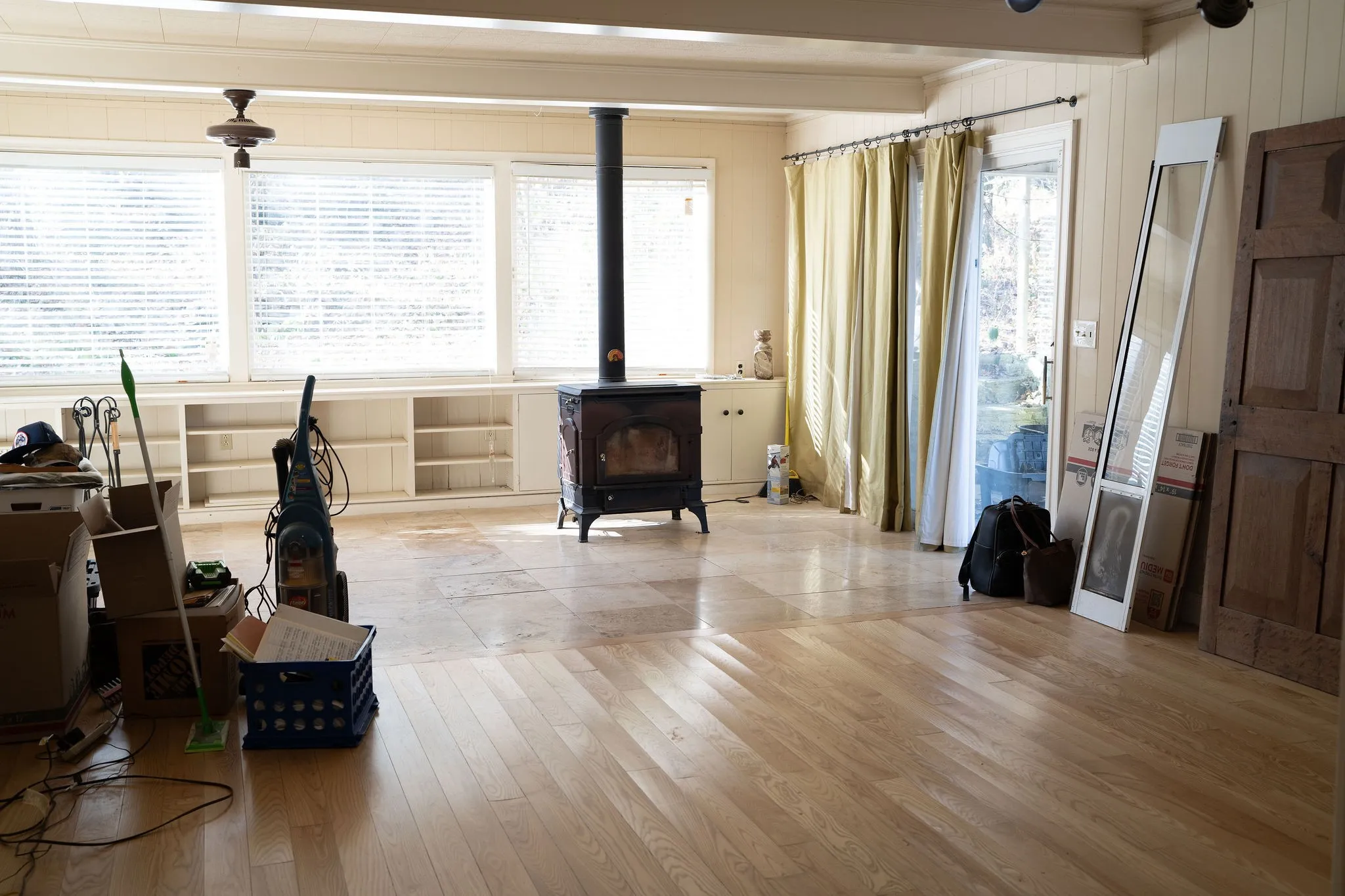
The layout naturally caters to garden enthusiasts and those passionate about indoor‑outdoor living. The wrap‑around porch provides a shaded transition from interior spaces to the outdoors, with room for rocking chairs, wicker sofas, and potted blooms. Just inside, a sunny, window‑lined room—likely once a sunroom or conservatory—invites small gatherings or quiet reflection.
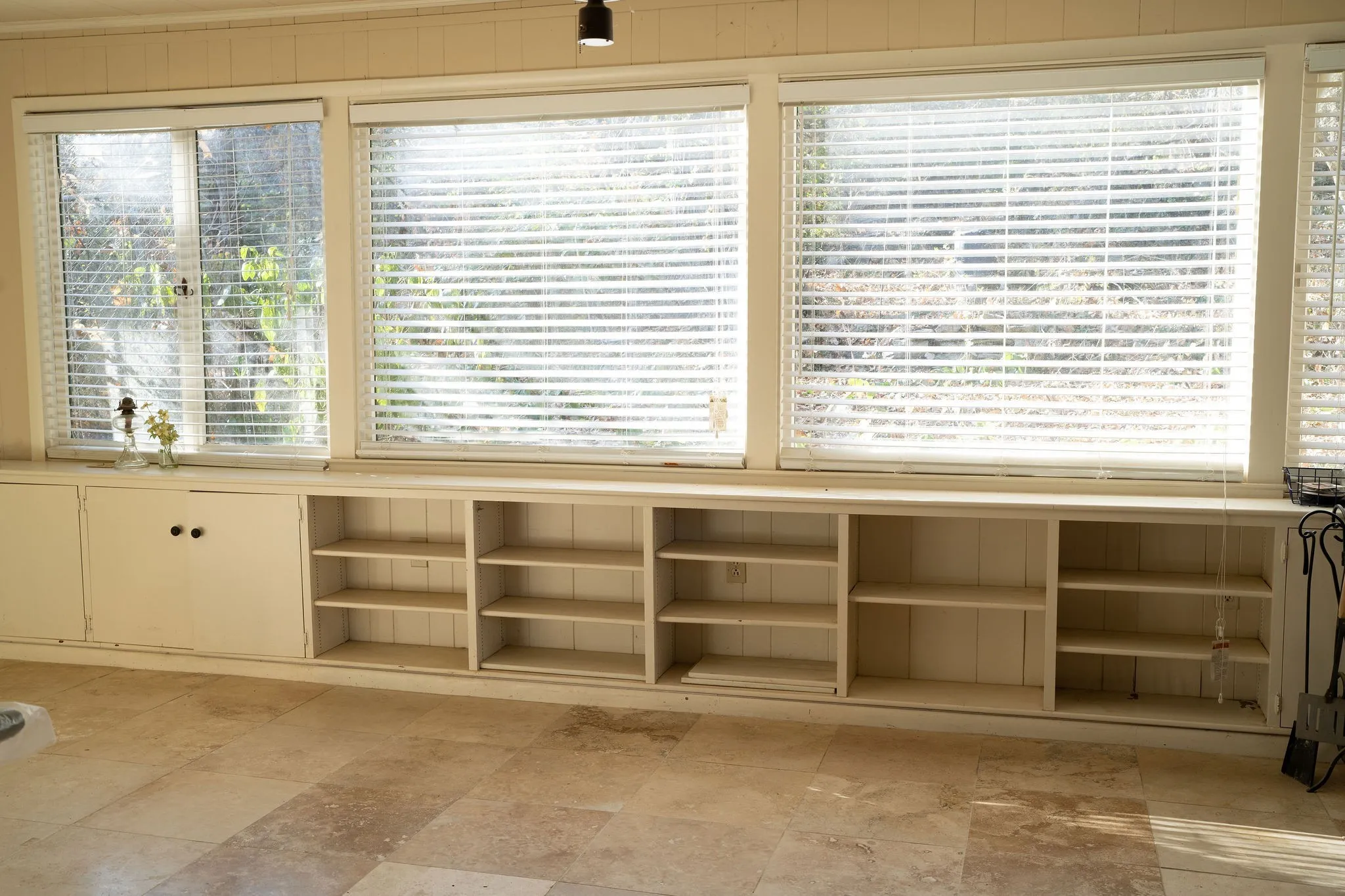
From this vantage, the wildflower‑carpeted grounds and forest beyond stretch outward, framed by centuries‑old trees. Restoring or expanding this sunroom could further embrace the home’s connection to nature, making it a favorite spot for morning coffee, afternoon tea, or casual entertaining.
Elsewhere, the estate’s vast footprint includes ample space to carve formal gardens, kitchen gardens, shaded woodland walks, or even a discreet orchard. Many owners might envision seasonal vegetable beds or a flower-cutting garden to complement the historic ambiance.
Interior Features Awaiting Restoration
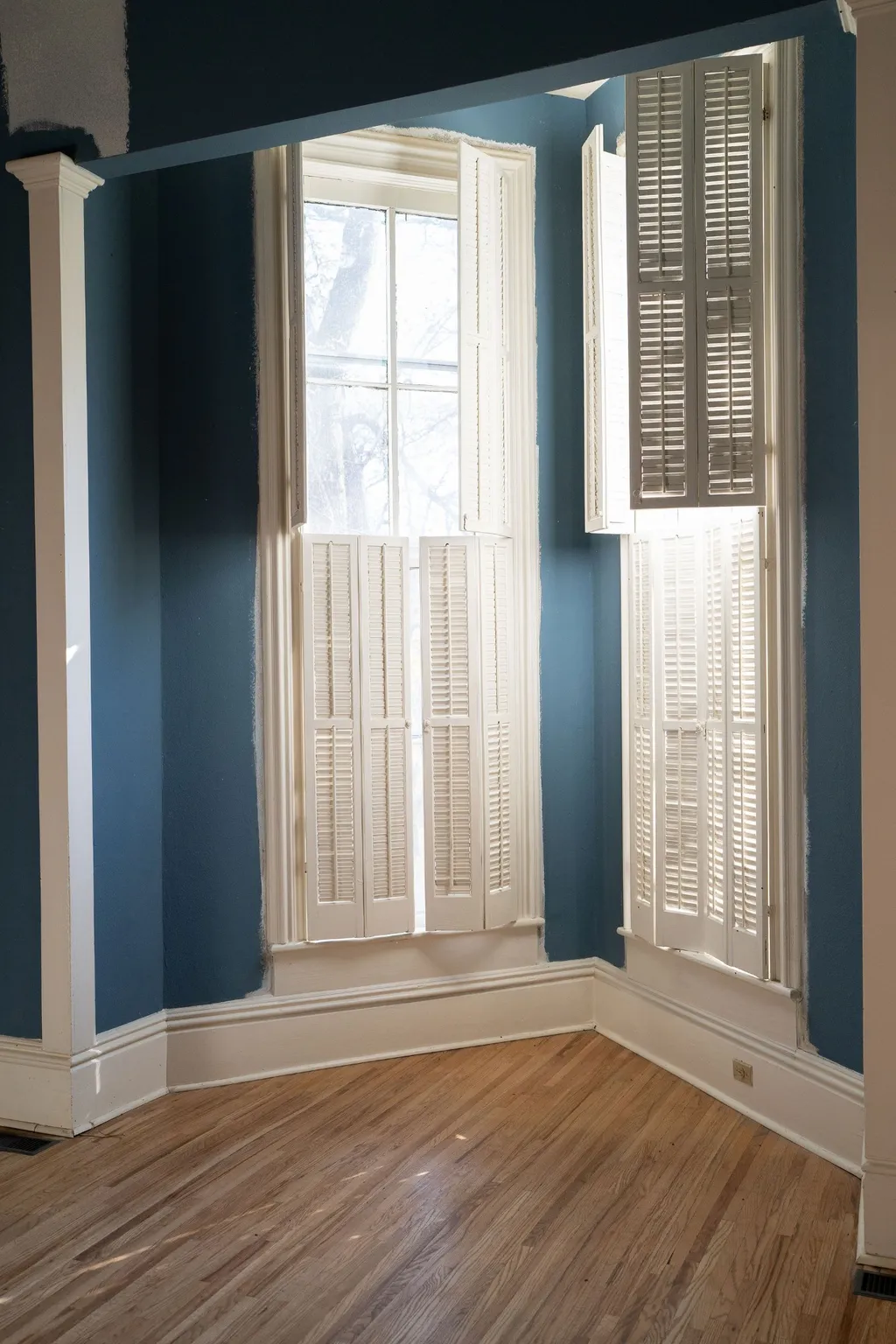
Though the interior is primed for revitalization, it possesses tantalizing hints of historic splendor ready to be revealed. Expect original hardwood floors—perhaps oak or pine—and elaborate moldings typical of mid-Victorian craftsmanship. The tall ceilings allow for grand proportions with large windows bringing in generous natural light.
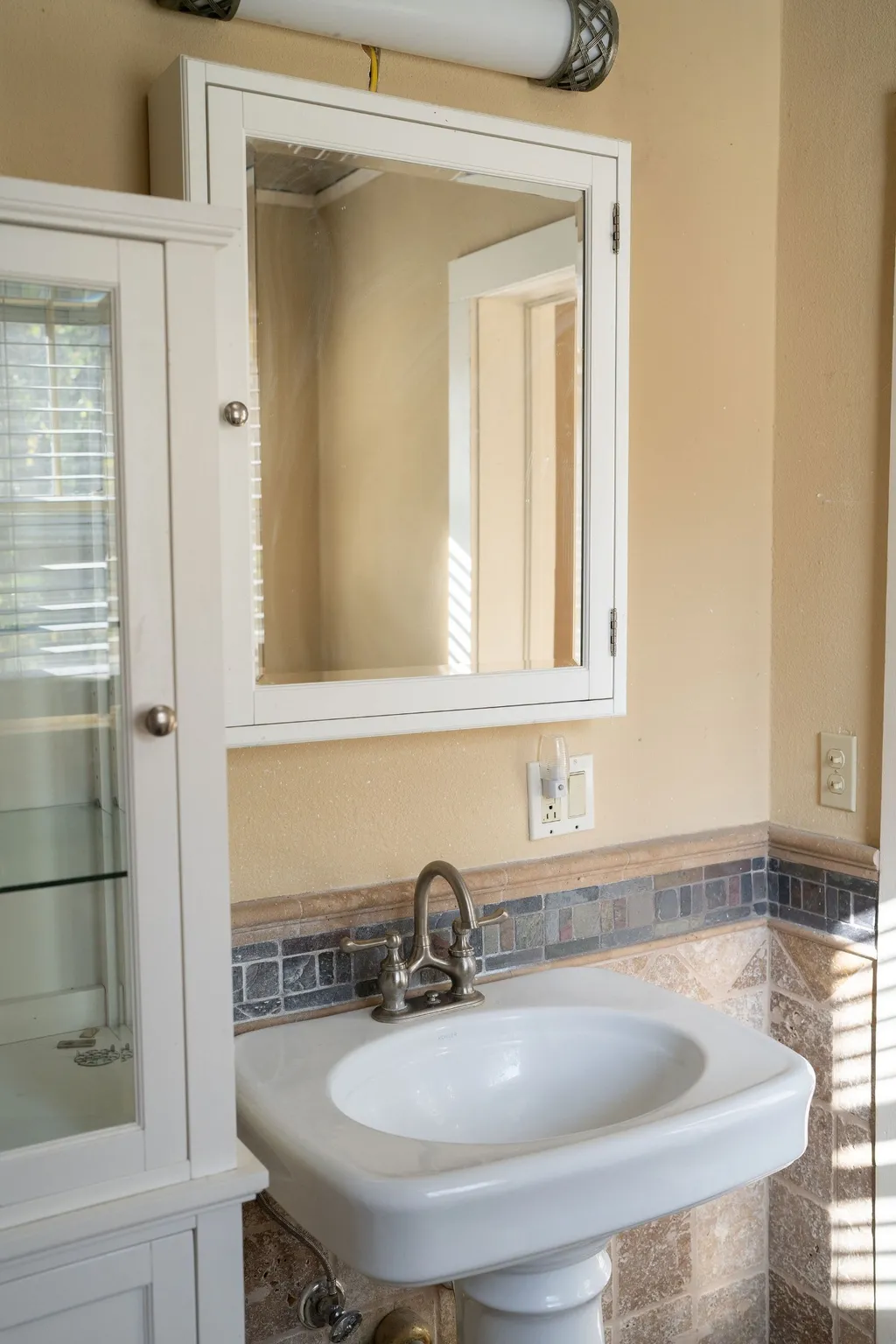
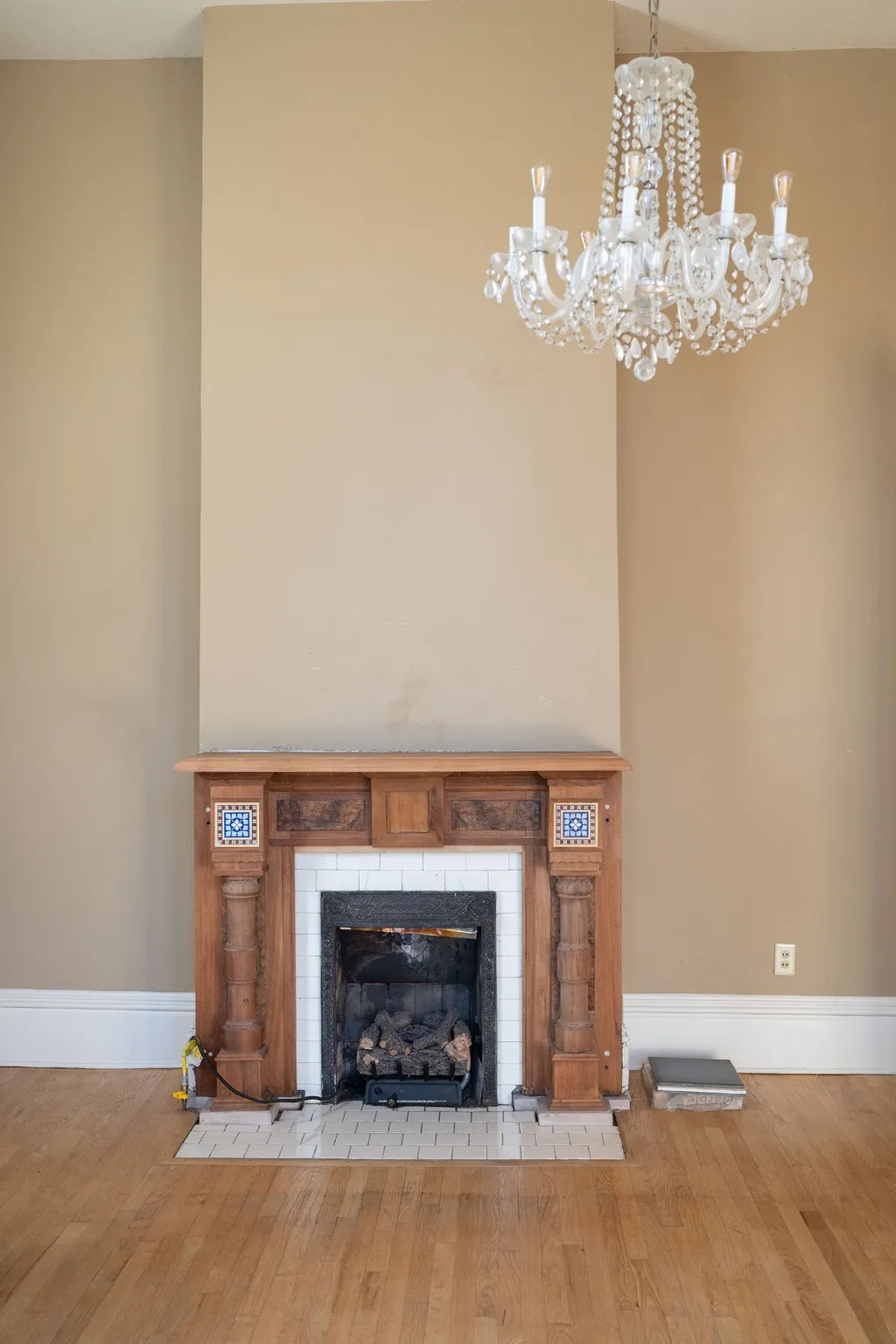
Among the 4 bedrooms and 3 bathrooms lies great potential for reinventing each space to balance respect for history with contemporary living. Working fireplaces, existing built-ins, and ornamental mantels all hint at the home’s former sophistication. Restoring these features could establish striking focal points and elevate the living experience.
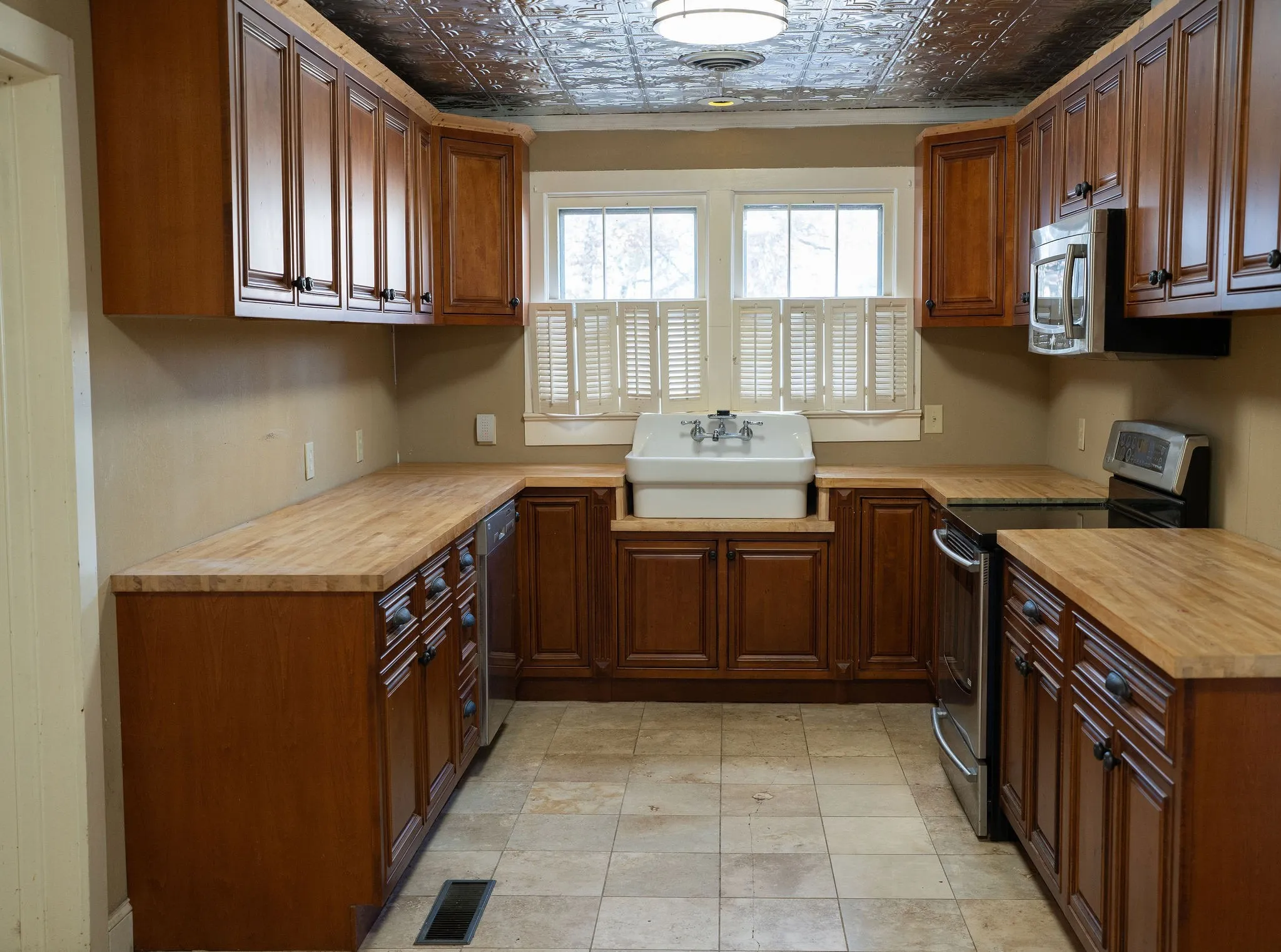
Each room can find its own expressive identity: a music room recalling recitals of the past, a formal parlor for hostessing distinguished guests, a cozy library retreat, or elegant bedrooms overlooking the grounds. Modern additions—like updated baths or customized kitchen zones—could be sympathetically integrated to meet today’s lifestyles while honoring the architecture.
A Preservation Project with Payoff
This estate presents a unique opportunity for someone with a vision and respect for historic homes. Undertaking a restoration here isn’t just about honoring craftsmanship—it’s about contributing to Fayetteville’s cultural and architectural heritage. Residents and preservationists across Tennessee cherish such properties for the way they anchor community identity.
A thoughtfully restored Queen Anne Victorian offers great potential on many fronts—personal enjoyment, civic pride, and financial value. As historic homes in walkable downtown corridors are attracting growing interest, this estate could become a landmark example of sensitive preservation with contemporary appeal.
Historic Walking Distance Location
Location is key—and here it couldn’t be better. Nestled within walking distance of Fayetteville’s downtown, residents enjoy an inviting streetscape of locally owned shops, restaurants, and cultural landmarks. From historic court squares to annual musical events, the area offers an authentic Southern small-town ambiance.
Strolling along Mulberry Avenue, continuing to Tennessee Boulevard or Fayetteville’s downtown business circle, one gets a strong sense of local identity. Whether you’re joining neighbors at festivals, dining at local eateries, or browsing antique shops, the walkable proximity transforms daily life into an experience rich in community.
A Vision for Restoration
What might a restoration look like? Envision restoring the original wood floors, masonry chimneys, and decorative finishes; installing modern infrastructure—HVAC, plumbing, electrical—discreetly integrated; and reimagining bathrooms and kitchen areas with period-appropriate fixtures.
Outdoor possibilities are immense: restoring stone walls, clearing and defining garden areas, adding period-inspired outdoor features like a gazebo or carriage house, and lighting pathways beneath the ancient trees. Careful lighting and landscaping could further enhance the entrance, porch, and carriageway, re‑creating a stately arrival experience.
For those inspired to share the property’s story, options include opening it to local heritage tours, hosting community events, or showcasing interior design features. A restored Queen Anne Victorian of this scale and pedigree would attract attention—and make a worthwhile case for grants or tax incentives in many preservation programs.
Ideal Stewardship and Legacy
A home like this wants stewards, not just owners. Someone passionate about architectural integrity, mindful of historic detail, and respectful of environmental context is the ideal custodian. With the right approach, each restoration step will reveal hidden architectural flourishes—perhaps original stain‑glass windows, carved newel posts, or ornate cornices—each artifact reconnecting us with the late 19th century.
In restoring this property, you’d not only rekindle its former beauty, but establish a legacy for future generations. It would stand as a living expression of Southern architectural artistry, anchored in community. Mulberry Avenue would gain another fully restored jewel in its crown, contributing to the avenue’s collective sense of place.
Summing Up a Timeless Opportunity
This late 1800s Queen Anne Victorian home is more than just a house—it’s a historic experience waiting to be reborn. From architectural elegance to woodland serenity, from wildlife theater to downtown accessibility, every aspect captures the imagination.
With over 3,800 square feet of upstairs and 1,272 square feet of basement space, it offers ample scope for renovation imagination—from grand entertaining spaces to cozy private retreats. Each room is a canvas, every garden bed a stage for beauty.
If you cherish the idea of resuscitating historic grandeur, relishing nature in your backyard, and walking daily through one of Tennessee’s most charming downtowns, this estate stands ready. It beckons—not only as a home, but as a story waiting to resume. With thoughtful care, it could again glow with the warmth, style, and character of its origins.
Next Chapters Await
What might come next? Perhaps raising a family amid moss‑hung oaks, celebrating milestones on the wrap‑around porch, or hosting gatherings in a backyard layered with wildflower color. Imagine the kitchen alive with modern appliances yet anchored by heritage charm, or evenings by a restored fireplace listening to the rustle of the ancient stone fence.
More than four bedrooms and three baths, this home offers a life—all the threads of history, architecture, nature, and community converging in one place. With restoration, it won’t merely be a Victorian relic; it will again become a vibrant, functional centerpiece of Mulberry Avenue.
For those ready to undertake this labor of love—a revival project that’s both noble and personal—this estate is a rare gem. It invites you to step in, roll up your sleeves, and write the next multi‑generational chapter in a historic house’s life.
Key Highlights at a Glance
-
Historic Queen Anne Victorian sitting on a prestigious Mulberry Avenue address
-
Over 150 years of legacy in one of Fayetteville’s premier historic neighborhoods
-
Spacious interior: ~3,811 sq ft above grade with 4 bedrooms, 3 baths, plus 1,272 sq ft basement
-
Expansive 2‑acre lot graced with ancient trees, flower meadows, and wildlife gardens
-
Privacy-plus: Adjoins 200+ acres of private woodland, bordered by stately contemporaries
-
Wildlife at your doorstep: deer, foxes, owls, songbirds enrich daily life
-
Rich exterior features: long stretches of stacked stone walls, historic masonry elements
-
Dream restoration canvas: original millwork, fireplaces, period details await revival
-
Strollable proximity: a short walk to the vibrant heart of downtown Fayetteville
-
Transformation potential: perfect for historical preservation, modern family living, entertaining, or community events
In the hands of the right caretaker, this Queen Anne Victorian can be lovingly restored to its full splendor and purpose. If you’ve ever envisioned blending architectural conservation with everyday comfort—immersed in wildlife, history, and community—this estate offers a canvas like no other. Let Mulberry Avenue’s grand dame inspire your next chapter in historic home stewardship.